Last updated November 20, 2026
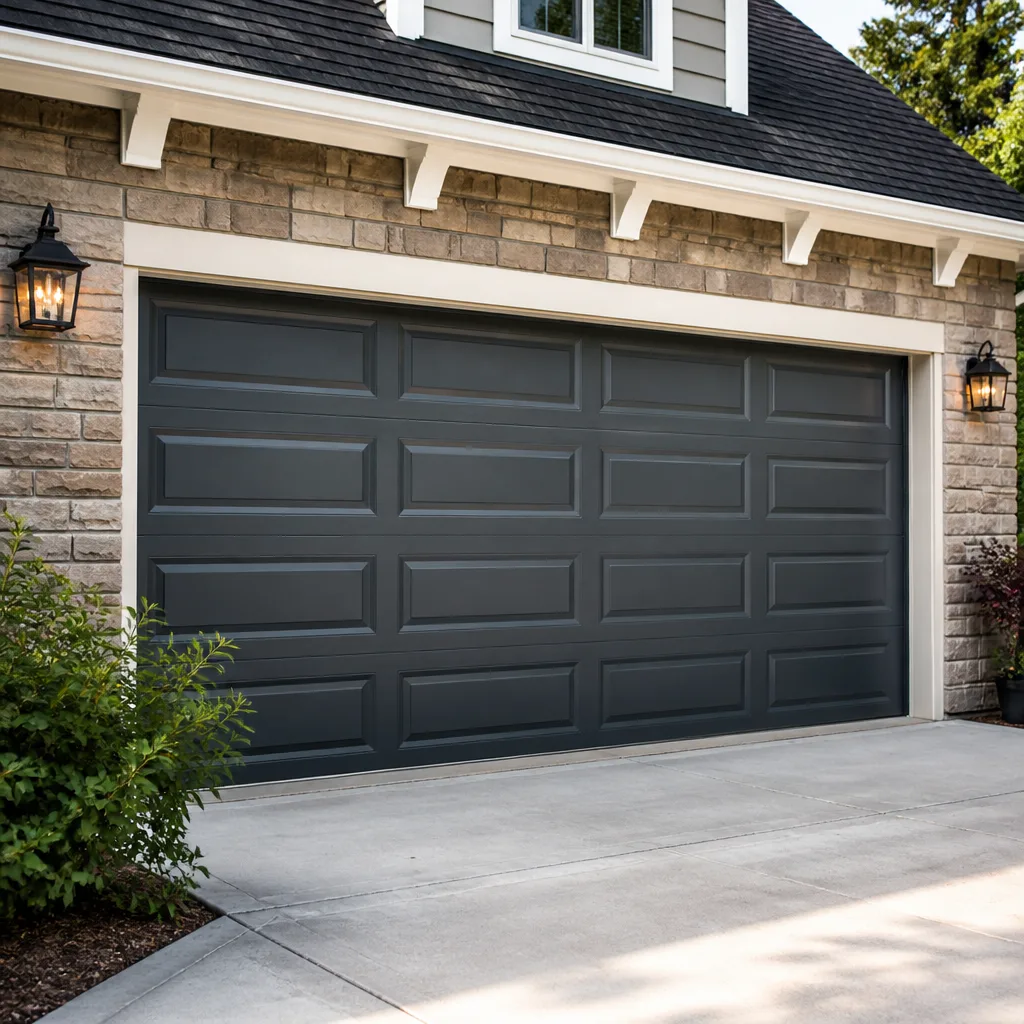 Raised-panel steel
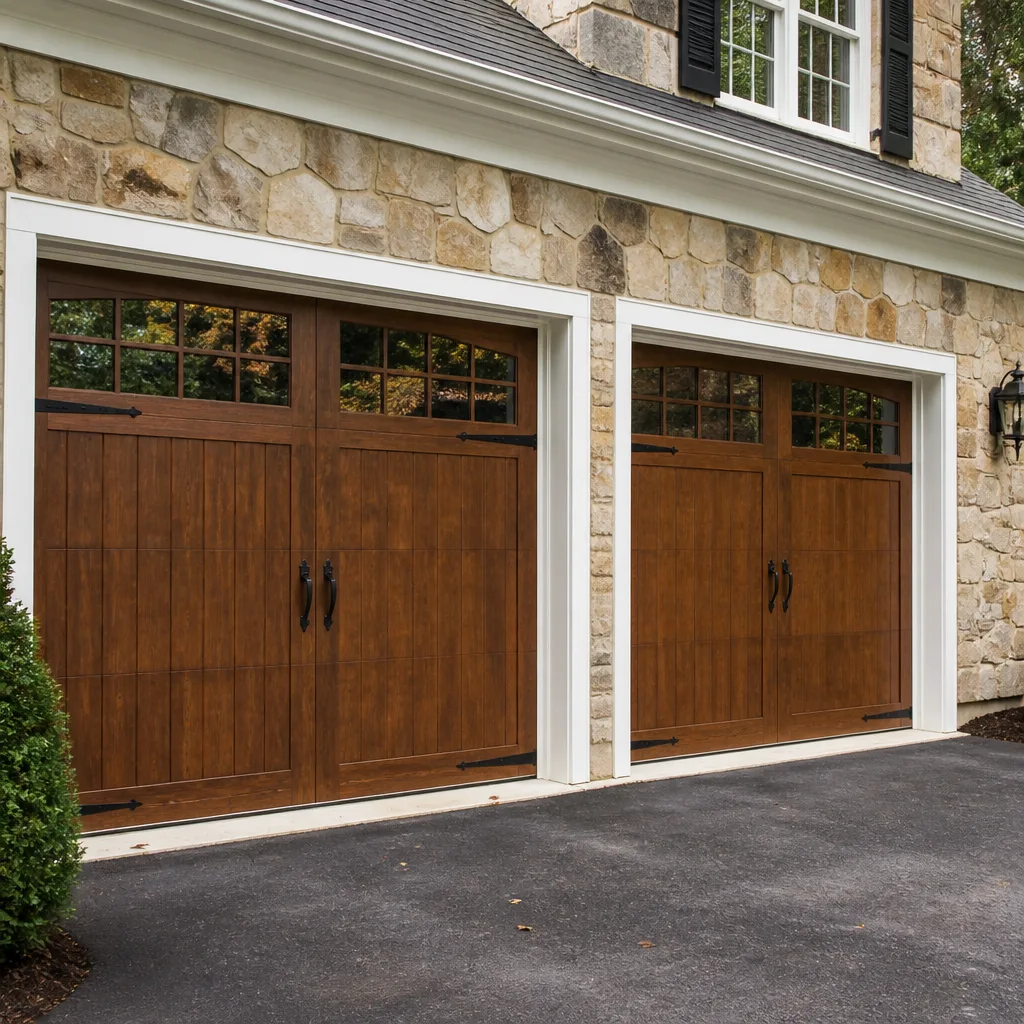 Carriage house
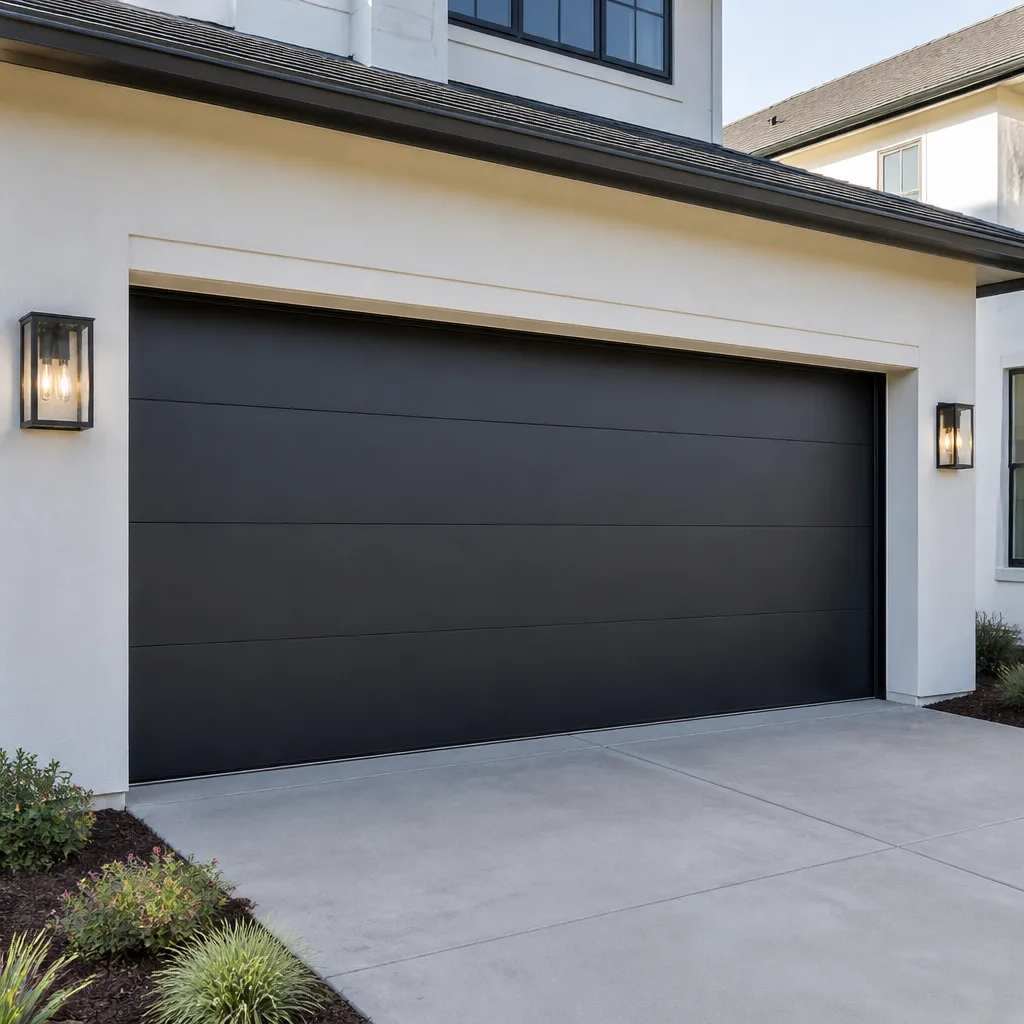 Modern flush
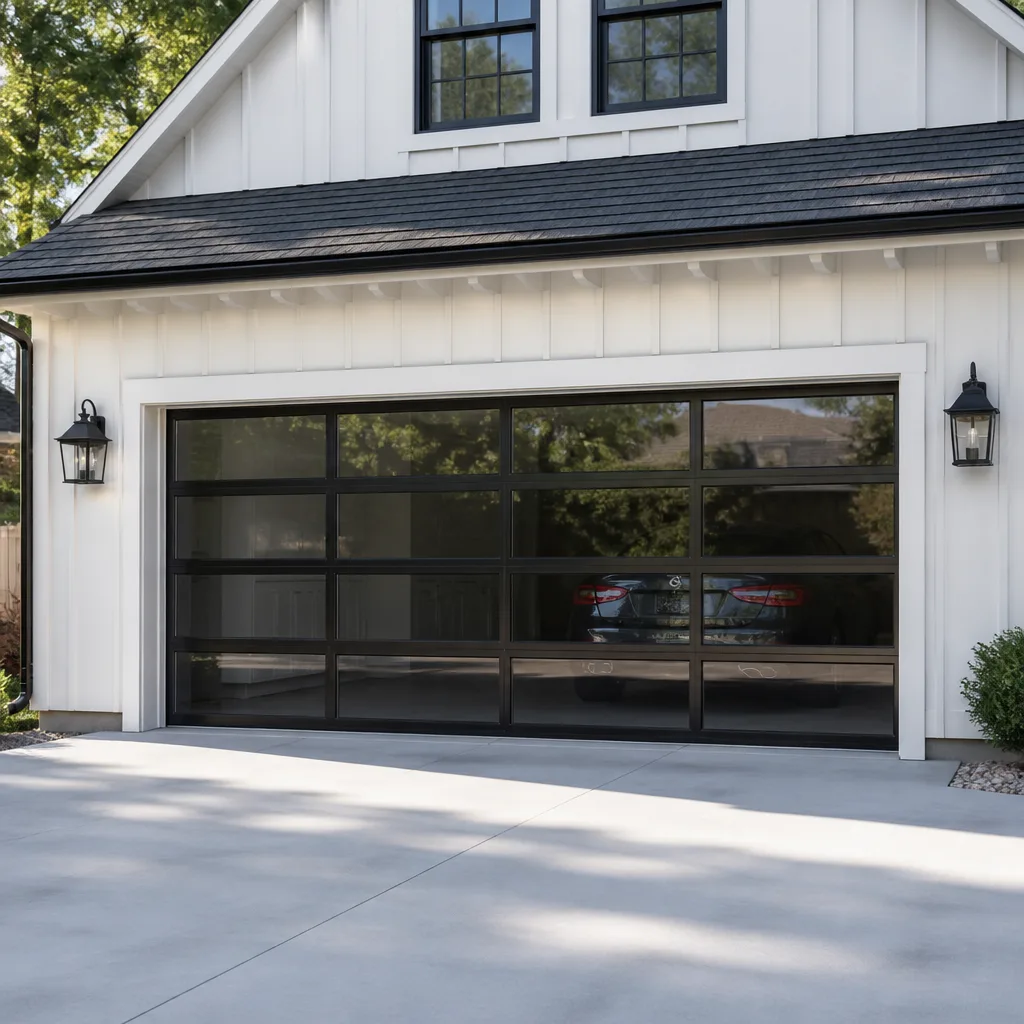 Full-view glass
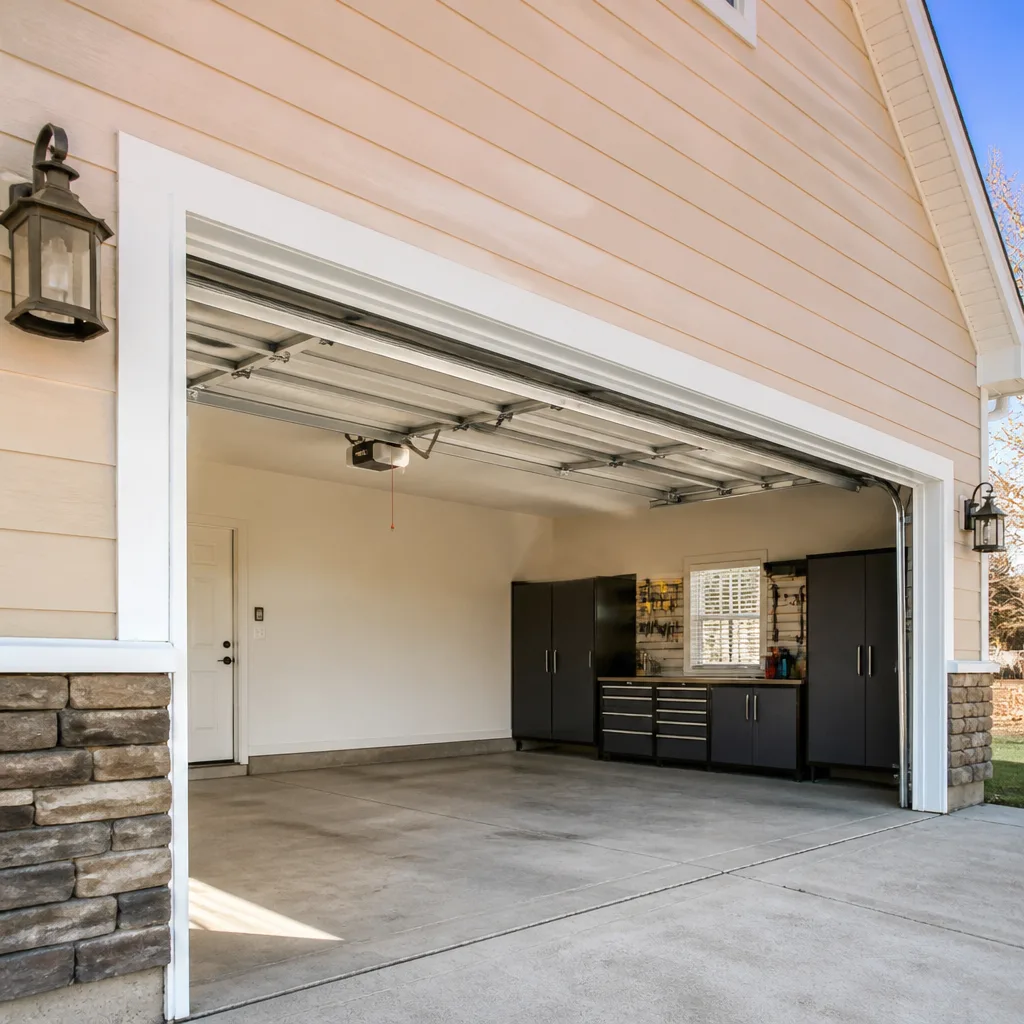 LiftMaster openers
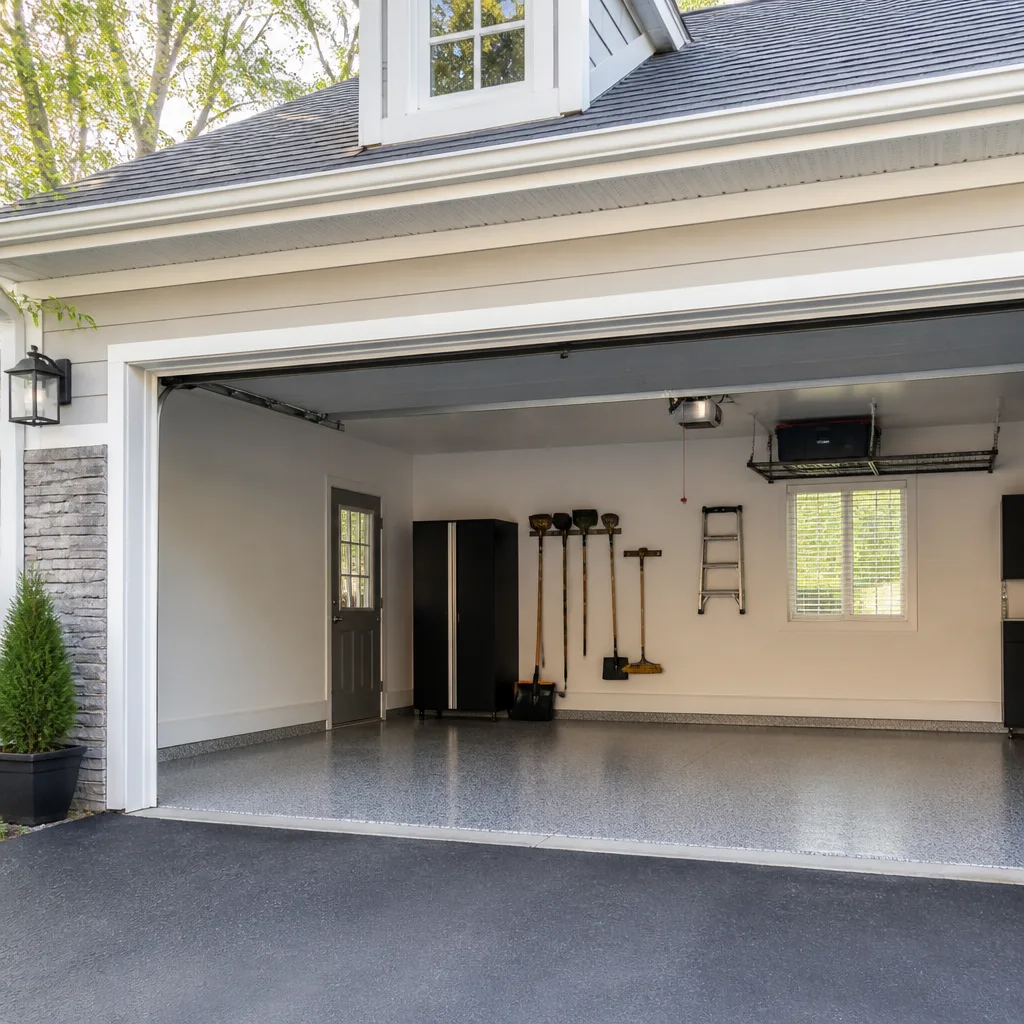 Chamberlain openers
Full 25-point door and opener safety check with every visit - springs, cables, rollers, tracks, and your LiftMaster or Chamberlain opener included
You get a price before we start. It does not change when the pro arrives.
Get your free estimateSeasonal Garage Door Care for Old Brooklyn: Year-Round Homeowner’s Guide
Most homeowners think a garage door breaks because winter gets cold. In Old Brooklyn, that’s rarely the whole story. The damage happens in the swing: a wet 40-degree afternoon that melts snow into your tracks, then a 15-degree night that freezes that water solid. That freeze-thaw cycle is what splits bottom seals, shifts tracks and works fasteners loose. It’s also why the timing of your maintenance matters more than the task list. Doing seal work in January, after the first hard freeze has already done its damage, is too late. This guide maps each care task to the conditions that actually cause the problem, from road salt tracked into alley garages to humid summer air swelling older wooden doors.
Quick Answer
Inspect and lubricate your garage door’s moving parts twice a year, once before the first freeze and once after winter ends, and once more in midsummer if your door faces wood or composite components that respond to humidity. In Old Brooklyn, the highest-value seasonal tasks are sealing the bottom before November, flushing road salt off the tracks, clearing fall leaves from the track channels, and a 10-minute post-winter inspection of springs, cables and rollers. Most of this you can do yourself; spring and cable work should always go to a trained technician.
Styles & brands we work with
- Raised-panel steel
- Carriage house
- Modern flush
- Full-view glass
- LiftMaster openers
- Chamberlain openers
Table of Contents
- Why Timing Beats the Calendar in Old Brooklyn
- Pre-Winter Prep: The Bottom Seal Is Everything
- Road Salt, Alley Garages and Metal Corrosion
- Summer Humidity and Older Detached Garages
- Fall Leaf and Debris Clearing in Track Channels
- Spring Post-Winter Inspection in Under 10 Minutes
- What to Lubricate, and What Never to Touch
- Brand-Specific Care for LiftMaster, Chamberlain, Genie and Clopay
- Common Mistakes to Avoid
- When to Call a Professional
Why Timing Beats the Calendar in Old Brooklyn
Cleveland’s freeze-thaw cycle, not deep cold, is what destroys garage door bottom seals and causes tracks to shift. That distinction changes how you should think about the whole year. A door in Old Brooklyn doesn’t face a long, steady freeze; it faces dozens of thaw-and-refreeze events between November and March as temperatures bounce above and below 32 degrees. Water gets into places it shouldn’t, then expands when it freezes. Anything flexible, like a rubber seal, and anything bolted down with a little play, like a track bracket, is a target.
The practical takeaway is that your maintenance calendar should follow weather patterns, not months on a wall. The first sustained cold snap matters more than the date on the calendar. Here’s how the year actually breaks down for an Old Brooklyn door:
- Late fall (before the first freeze): seal integrity, track alignment, lubrication. This is your most important window.
- Winter: light observation and salt management. Avoid major adjustments in freezing weather.
- Late spring (after the last freeze): the post-winter inspection. This is when hidden damage shows up.
- Midsummer: a check on wood, composite and paint, plus a humidity-driven alignment check.
If you do nothing else all year, do the pre-winter pass. It’s the difference between a door that coasts through the cold and one that leaves you calling for Garage Door Repair Old Brooklyn on the first really cold morning. Our technicians have up to 12 years of experience, and the pattern is consistent: doors that got a pre-winter check need fewer repairs by spring.
Pre-Winter Prep: The Bottom Seal Is Everything
Your bottom seal is the first line of defense, and it’s the component most likely to be ignored until it fails. The seal is the flexible rubber or vinyl strip along the bottom edge of the door that presses against the floor when closed. When it’s intact, it keeps water, cold air, and small pests out. When it’s cracked or torn, water wicks underneath, freezes, and starts working on the door’s lower panel and the floor edge.
Check the seal before the first freeze, not after. Run your hand along the bottom of the closed door and look for these signs:
- Cracks, splits or chunks missing from the rubber
- A seal that’s flattened and no longer contacts the floor across its full length
- Daylight visible under the door when it’s fully closed
- Water staining on the floor just inside the door after rain or melting snow
A brittle seal is easy to replace and cheap insurance against a much bigger repair. If your door is a Clopay or similar model with a specific seal profile, matching the right replacement matters; a generic strip that doesn’t seat correctly will leak just as badly. This is one of the jobs we handle quickly, and it’s a good moment to also have a technician look at track alignment while the door is already in front of them.
Step-by-step: the pre-winter check
- Inspect the bottom seal for cracks and gaps, closing the door first and looking from inside.
- Test the door balance: disconnect the opener and lift the door halfway by hand. It should stay put. If it drops, the springs need attention.
- Look at the tracks for bends, dents or debris, and check that the vertical tracks are plumb.
- Lubricate hinges, rollers, and the torsion spring with a garage-door-specific lubricant (not WD-40).
- Check the weatherstripping around the door frame for gaps.
If step two fails, don’t ignore it. An unbalanced door strains the opener and puts extra load on the springs, which is exactly how you end up with a snapped spring in the middle of winter. A trained technician should handle the spring adjustment.
Road Salt, Alley Garages and Metal Corrosion
Old Brooklyn’s older neighborhoods have a lot of detached garages reached by alleys, and those alleys get salted and sanded along with the streets. Your car tracks that salt in on its tires and undercarriage, and it ends up on the garage floor, where it splashes onto your door’s bottom panel, tracks, and rollers. Salt accelerates corrosion on the metal components, and once rust starts on a roller or a track, it spreads and creates binding and noise.
What helps:
- Rinse the floor and lower tracks during the salting season, using plain water. A quick rinse after the roads are heavily treated keeps salt from sitting.
- Wipe down rollers and hinges periodically with a clean cloth, then apply a light coat of lubricant.
- Consider a corrosion-resistant coating on exposed metal if your garage sees heavy salt traffic. A dry-film or specially formulated garage-door lubricant leaves a protective layer that resists salt better than oil alone.
- Keep the door bottom off the wet floor. If your seal is intact and the door is adjusted correctly, salt water stays outside the seal line.
Alley garages in Old Brooklyn also collect standing water at the apron when snow melts and refreezes. That water sits against the door bottom, which is another reason the seal matters so much. If your track or roller hardware is already showing rust, that’s a sign to have it evaluated before it binds up and damages the opener. Rusted rollers are one of the more common repair calls we get in this part of the city.
Summer Humidity and Older Detached Garages
Cleveland summers are humid, and older detached garages in Old Brooklyn often lack insulation or ventilation, so they trap that moisture. Two door types suffer in different ways. Wood and wood-composite doors absorb moisture and swell; steel doors with a wood frame or a poor paint seal can rust at the edges where water collects. Either way, the result is a door that fits differently in August than it did in April.
What to watch for in humid weather:
- Paint failure on wood and composite. Bubbling, peeling or flaking paint lets moisture into the material. Touch up bare spots before the wet season.
- Swelling at the bottom and edges. A door that’s suddenly rubbing or scraping may be swollen from humidity rather than out of alignment.
- Opener strain. A swollen or heavier-feeling door makes the opener work harder. If your LiftMaster or Chamberlain opener is laboring, the door is the place to look first.
- Misalignment at the center seam. Sectional doors can shift slightly as materials expand, and a center hinge that’s loose will let the door sag.
A midsummer check is worth the ten minutes: close the door, look along its edges for gaps that weren’t there in spring, and check that the paint or finish is intact. If a wood door is chronically swelling because the garage doesn’t breathe, improving ventilation is a better long-term fix than repeatedly adjusting the tracks. For doors that have taken years of moisture damage, a replacement panel or a full new door may be the sensible path; that’s where full garage door installation comes in.
Fall Leaf and Debris Clearing in Track Channels
Old Brooklyn has a mature tree canopy, and that’s a real advantage in summer and a real nuisance in fall. Leaves, twigs, and seed pods blow into garages and settle into the vertical track channels and the horizontal track that runs along the ceiling. Debris in the tracks is one of the simplest causes of a door that binds, squeals, or stops partway down.
Clearing the tracks is straightforward and worth doing more than once during leaf season:
- Close the door fully so the tracks are exposed.
- Remove loose debris by hand or with a soft brush from the vertical and horizontal track channels.
- Wipe the inside of the tracks with a dry cloth; avoid solvent-based cleaners on painted tracks.
- Check the rollers for leaves or grit wrapped around the stems, and clear them.
- Lubricate the moving parts with a garage-door lubricant after the tracks are clean.
Don’t use grease in the tracks themselves; it collects grit and makes the problem worse. A clean, dry track with lubricated rollers is what you want. If your door is sticking even after the tracks are clear, there may be a bent track or a worn roller, and that’s a job for a technician. If you notice the door binding, rubbing or making new noises, our garage door repair team can diagnose it quickly, and estimates are free.
Spring Post-Winter Inspection in Under 10 Minutes
After a Cleveland winter, three components are most likely to have shifted or failed: the bottom seal, the torsion or extension springs, and the rollers and hinges. You can assess all three in about the time it takes to make coffee. Do this once the last freeze has passed, because freeze-thaw is what moved things around.
- Bottom seal (2 minutes): look for new cracks or tears and check that the seal still contacts the floor across its full width.
- Springs (3 minutes): with the door down, look at the torsion spring above the door or the extension springs along the sides. A gap in a spring, a visibly stretched coil, or a door that feels very heavy when lifted by hand is a sign of trouble. Do not try to adjust or replace a spring yourself; these are under extreme tension and can cause serious injury.
- Rollers and hinges (5 minutes): open the door and check that rollers turn freely, hinges are snug, and nothing is bent or rusted. Look at the tracks for any gap or misalignment that appeared over the winter.
If the door is hard to lift, unbalanced, or making a rhythmic noise, stop using the opener until a technician has looked at it. Running a strained opener on a door with a bad spring wears out the opener motor too. Spring work is a safety job, and it’s the one item on this whole guide we’d tell you not to take on yourself. Our spring repair specialty exists for exactly that reason.
What to Lubricate, and What Never to Touch
Lubrication is the single easiest thing you can do for your door, and the most commonly done wrong. The right product is a garage-door-specific lubricant, often a lithium- or silicone-based spray. The wrong product is a general household oil or grease, which attracts dust and grit.
Lubricate these:
- Hinges, at the pivot points
- Roller stems (not the track surface)
- The torsion spring, lightly, if your manual recommends it
- Any pivot or bearing on the door’s moving arms
Never apply grease or oil to the inside of the track; it traps debris and causes binding. And never lubricate or touch the springs or cables under tension beyond a light spray where the manufacturer recommends it. Those components are the most dangerous part of the door.
The best times to lubricate in Old Brooklyn are the pre-winter pass and the post-winter pass, with a light touch in midsummer if the door gets used heavily. A landlord with several rental doors in the neighborhood will want to schedule lubrication around the seasonal inspections so it isn’t forgotten.
Brand-Specific Care for LiftMaster, Chamberlain, Genie and Clopay
Opener and door brands behave differently, and knowing your brand helps you spot trouble early. We work on systems from eight major brands, and a few patterns come up again and again.
LiftMaster and Chamberlain openers are the app-connected smart units many Old Brooklyn households rely on. Their Wi-Fi and myQ features are convenient but can mask a mechanical problem: if the app says the door is closed but the door is straining, the issue is the door, not the opener. Watch for the opener reversing or stopping partway, which often points to a door that’s out of balance or a safety sensor knocked out of alignment.
Chamberlain and LiftMaster safety sensors are the small eyes at the bottom of the tracks. In an alley garage with debris and moisture, those sensors get dirty or nudged. Wipe them clean and check alignment before assuming the opener is broken.
Genie openers are common on older doors, and their belt or chain drives can loosen over time. A door that gets noisy or jerky is often signaling drive wear.
Clopay doors are widely installed and often have model-specific bottom seal and panel profiles. If you need a replacement seal or panel, matching the profile matters; a generic part often won’t seal correctly.
For opener issues, our garage door opener repair covers both smart units and older systems. If your opener has a known fix for that model’s behavior, a technician familiar with the brand will recognize it faster than a generalist.
Common Mistakes to Avoid
- Doing seal work in January. Pre-winter is the whole point; if you wait until the first hard freeze, the freeze-thaw damage has already started.
- Lubricating the tracks. Grease in the track channels collects grit and leaf debris in Old Brooklyn’s tree-lined alleys, causing binding instead of preventing it.
- Ignoring salt on rollers and hinges. Rust on these parts spreads and strains the opener. Rinse and wipe during the salting season.
- Adjusting a torsion spring yourself. This is the most dangerous component on the door. Springs are under extreme tension and can cause serious injury; call a technician.
- Assuming a door that swells in summer is misaligned. In Old Brooklyn’s humid summers, wood and composite doors swell and rub. Check the finish and ventilation before adjusting tracks.
- Skipping the post-winter inspection because the door “seems fine.” Freeze-thaw moves things quietly, and small shifts are easier and cheaper to catch early.
- Letting leaves sit in the track channels through fall. Debris in the tracks is a leading cause of doors that stick or stop partway down.
When to Call a Professional
Some garage door tasks are fine for a homeowner, and some genuinely aren’t. Call a professional if the door is unbalanced or hard to lift, if a spring or cable is broken or visibly damaged, if the door comes off its tracks, or if the opener reverses, strains, or stops partway through a cycle. Those signs point to problems with high-tension components or alignment that need proper tools and training. If a door is stuck open overnight, that’s a security and safety situation and worth an emergency call.
Garage Door Repair Old Brooklyn offers free estimates in Old Brooklyn. Call (888) 965-4156 and we can walk through what you’re seeing and whether it needs a same-day visit. Our technicians have up to 12 years of experience, and spring replacement is a specialty. The price is quoted and agreed before any work starts, so you’ll know the cost before anything is touched.
We also want to flag the single most important safety line in this guide: never attempt to adjust, remove or replace a torsion or extension spring yourself. These parts are under extreme tension, and a mistake can cause serious injury. A trained technician has the tools and the training for that job.
See the difference
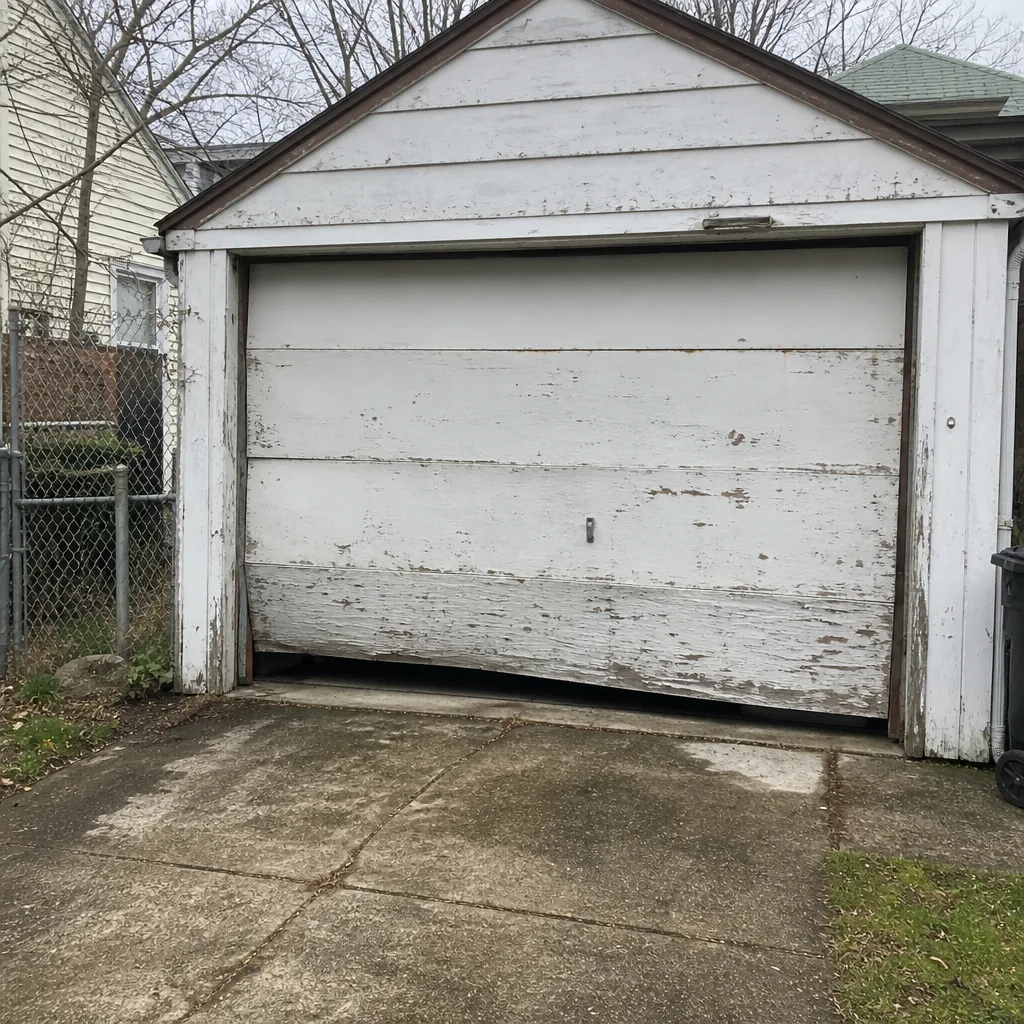 Before
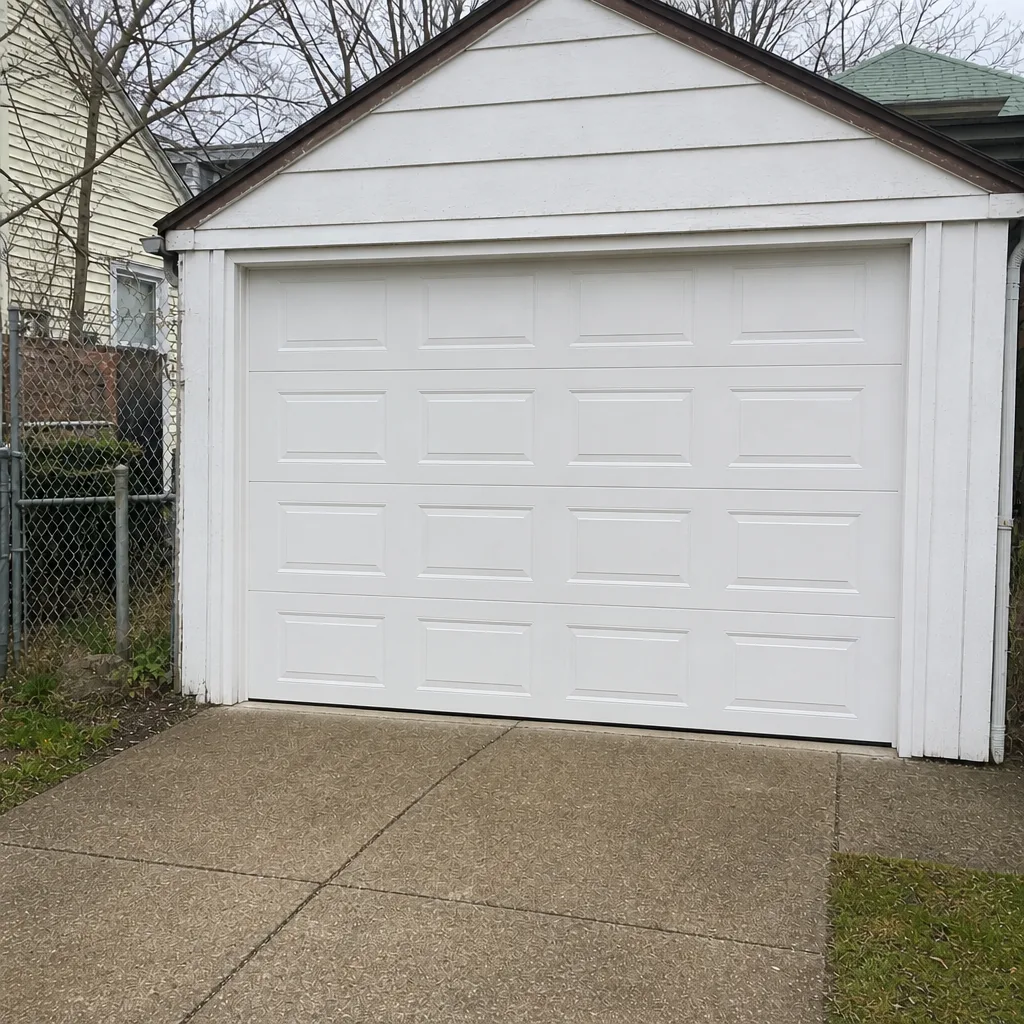 After
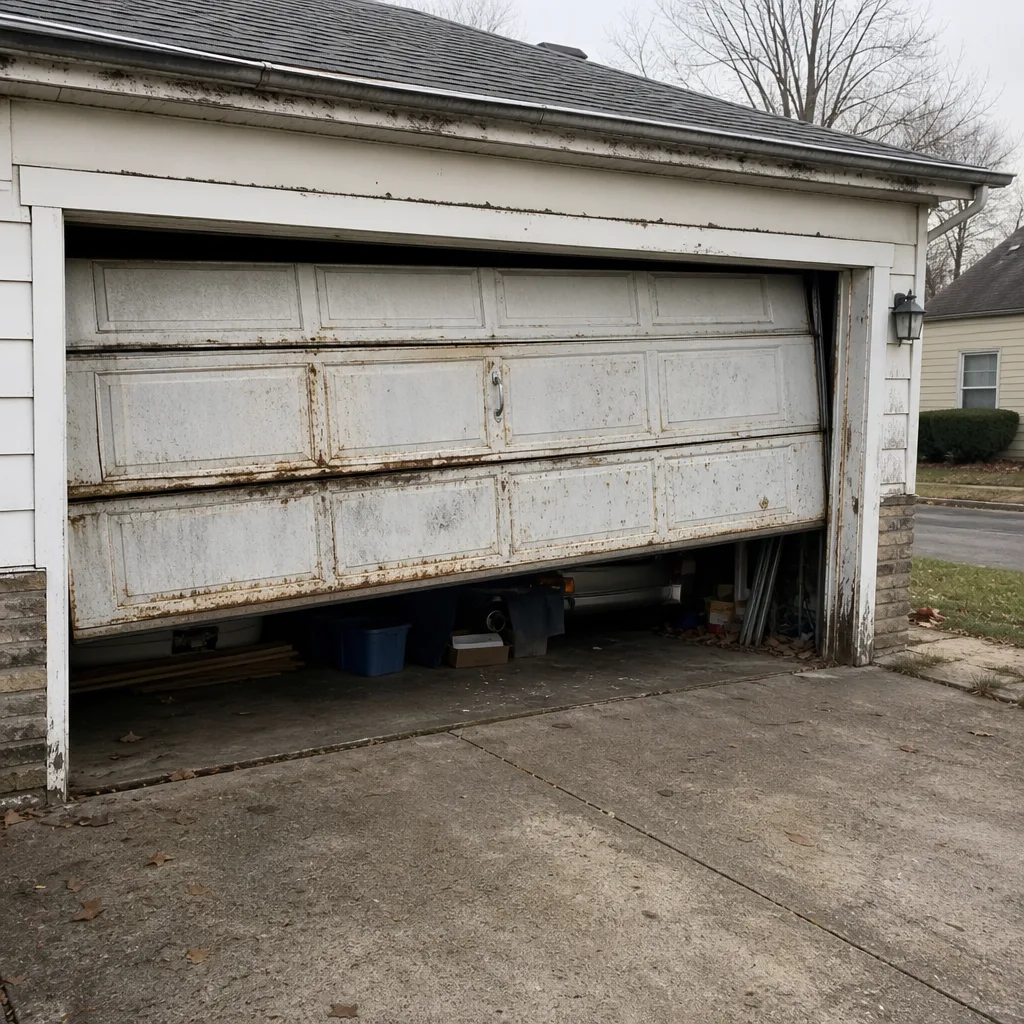 Before
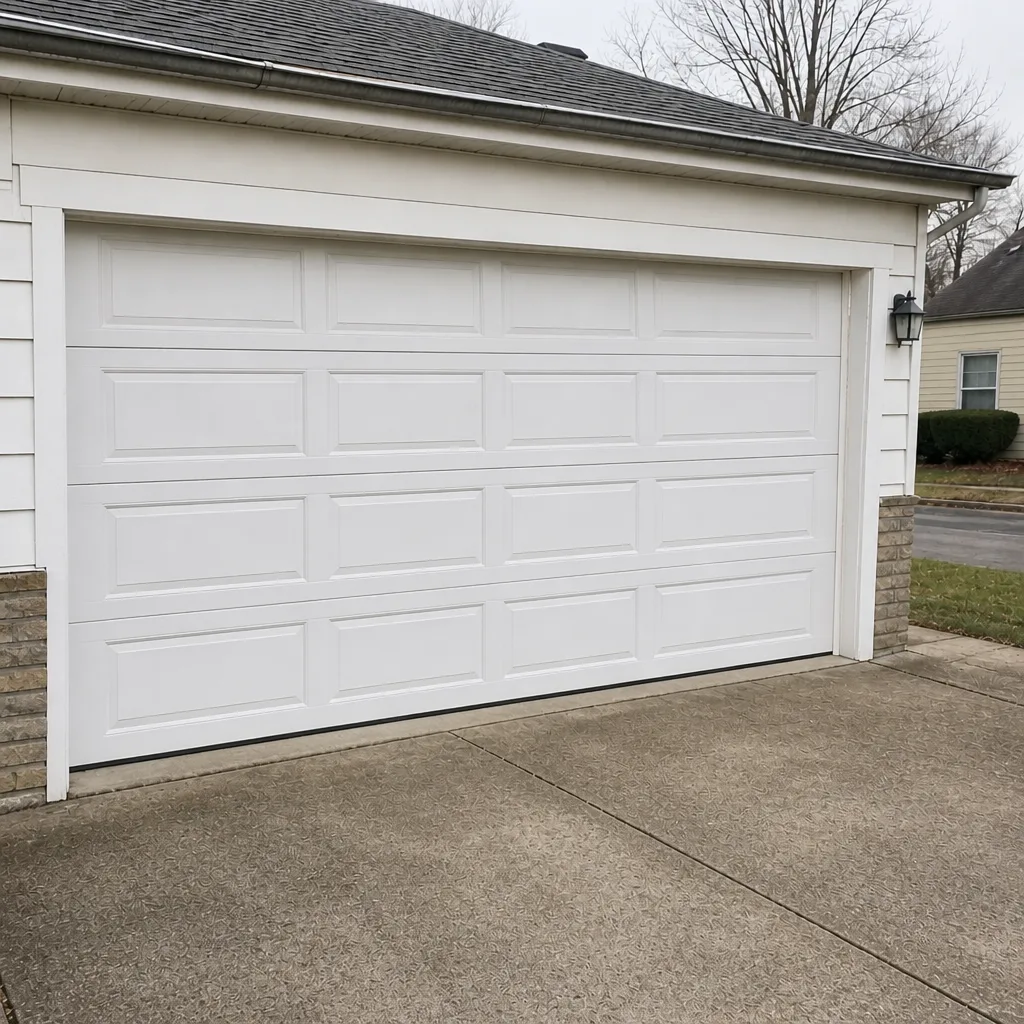 After
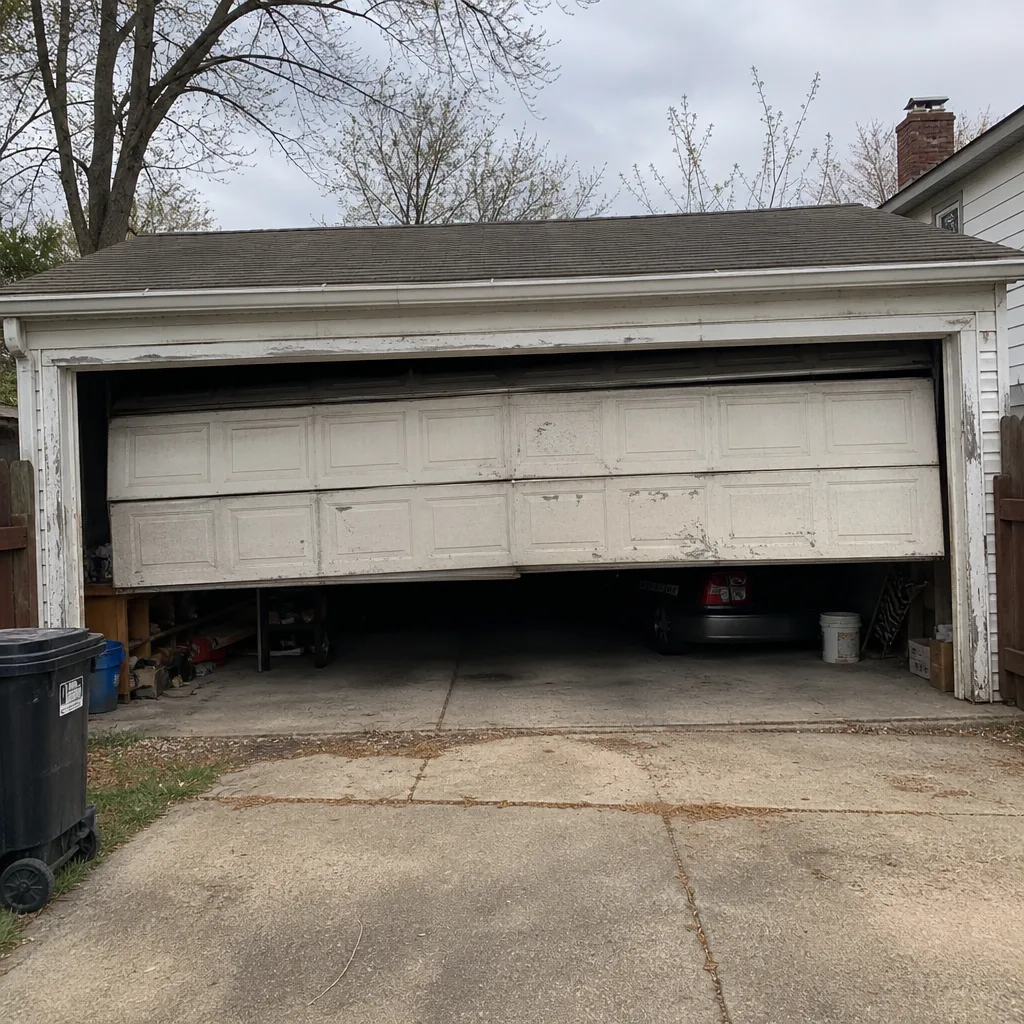 Before
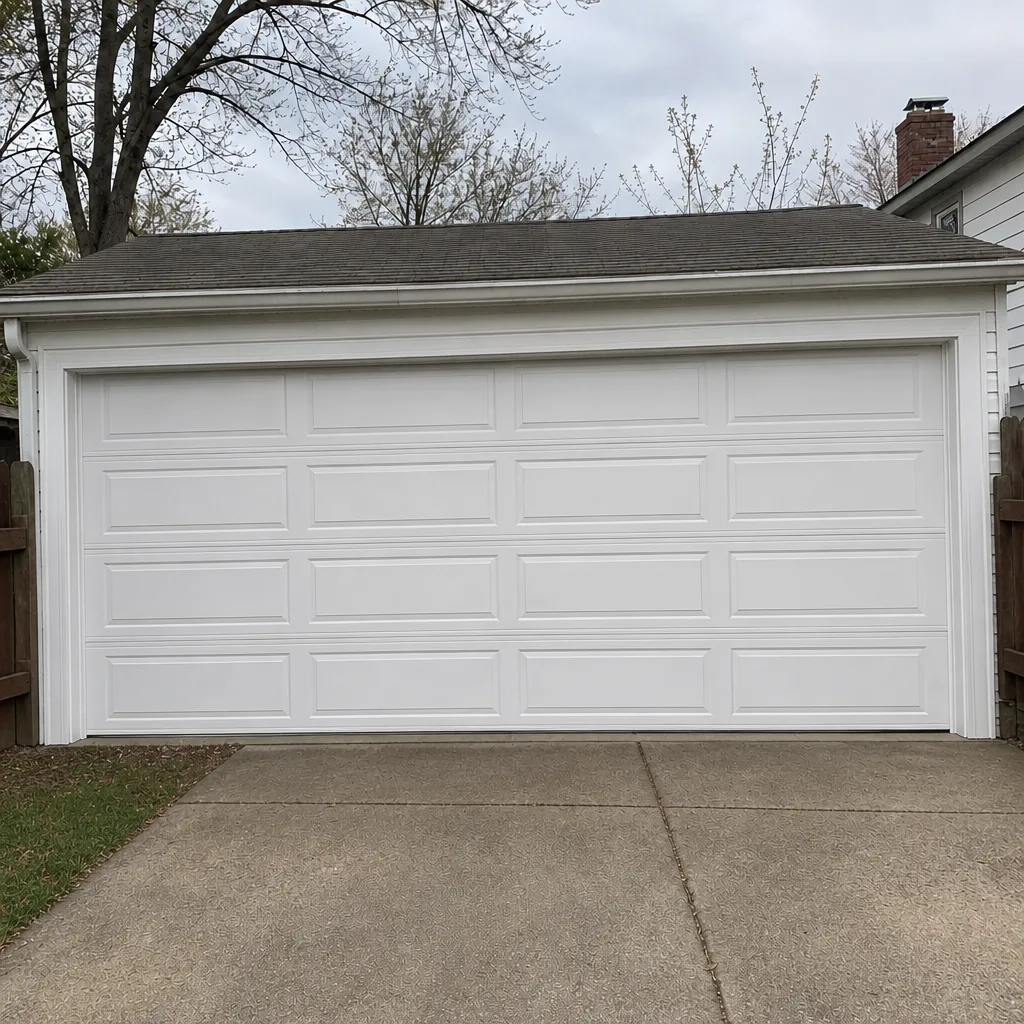 After
Frequently Asked Questions
Do it before the first sustained freeze, usually in late October or early November. The freeze-thaw cycle does the damage, not just the cold, so getting the bottom seal and tracks in shape before temperatures drop below freezing is the key.
Twice a year at minimum, once before winter and once after, plus a light touch in midsummer if the door sees daily use. In Old Brooklyn, the salting season makes the pre-winter and post-winter passes especially worthwhile. Call (888) 965-4156 if you’d like a technician to handle it.
Yes, salt tracked into an alley garage accelerates corrosion on metal parts, and rust spreads to rollers and hinges. Rinse the floor and lower tracks with plain water during the salting season and keep the rollers lubricated. If hardware is already rusted and binding, our Garage Door Repair Old Brooklyn team can assess it.
Humidity is the likely cause: wood and composite doors absorb moisture and swell, which can make them rub or bind. Check the door’s finish and your garage’s ventilation before adjusting the tracks, and fix any bare or peeling spots.
Yes. Torsion and extension springs are under extreme tension, and adjusting or replacing them without proper tools and training can cause serious injury. Spring replacement is a safety job for a trained technician. Estimates are free if you call (888) 965-4156.
Very often, yes. A door that’s stuck open or won’t close is a security and safety issue, and same-day service is part of what we offer. Call (888) 965-4156 and we’ll tell you what’s possible for your door. The price is agreed before any work begins.
The Bottom Line
In Old Brooklyn, garage door care is about timing: pre-winter seal and track work before the first freeze, salt management through the winter, a ten-minute post-winter inspection of springs, rollers and tracks, and a humidity check in midsummer. Fall leaves need clearing from the tracks, and lubrication should happen twice a year with the right product and never in the tracks themselves. Leave springs and cables to a trained technician. Do the rest yourself and your door will last longer and need fewer repairs. Call (888) 965-4156 for a free estimate if anything looks off.
Written by the team at Garage Door Repair Old Brooklyn.