Last updated November 20, 2026
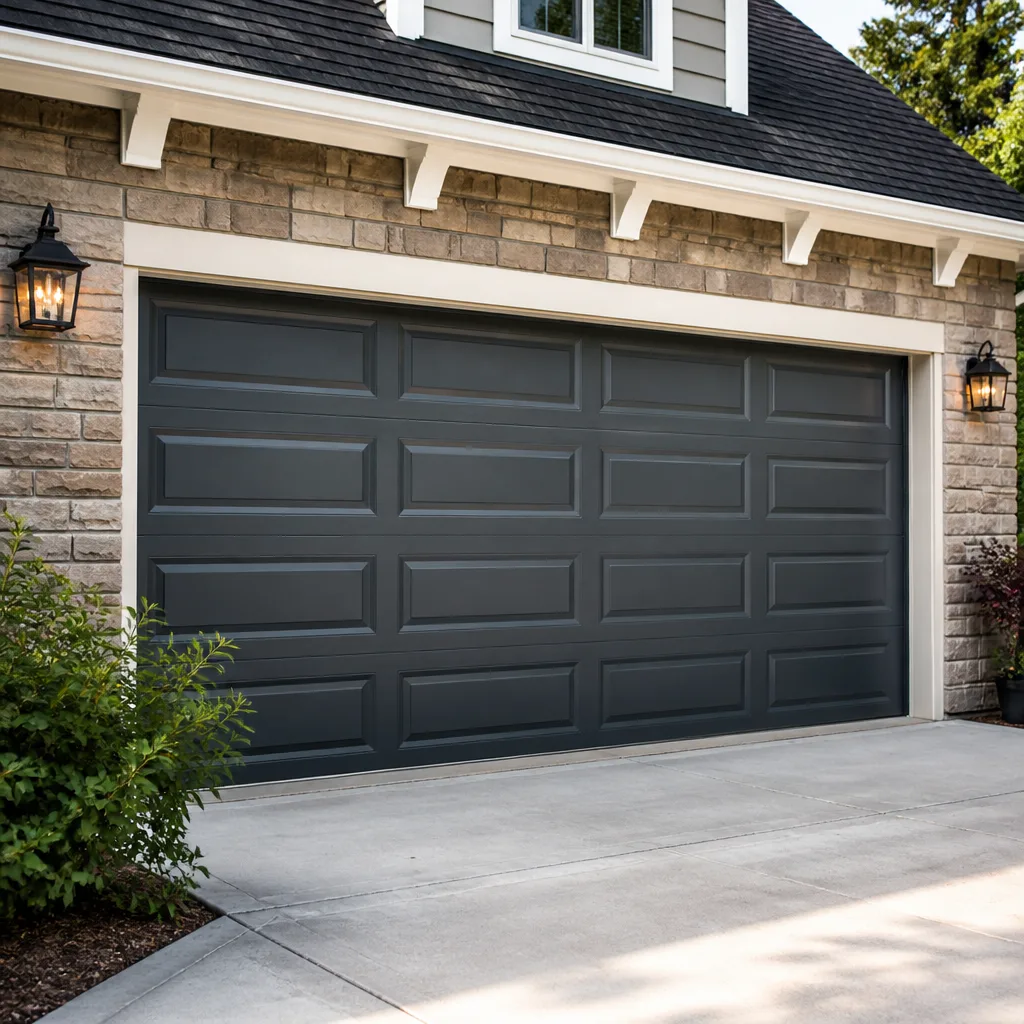 Raised-panel steel
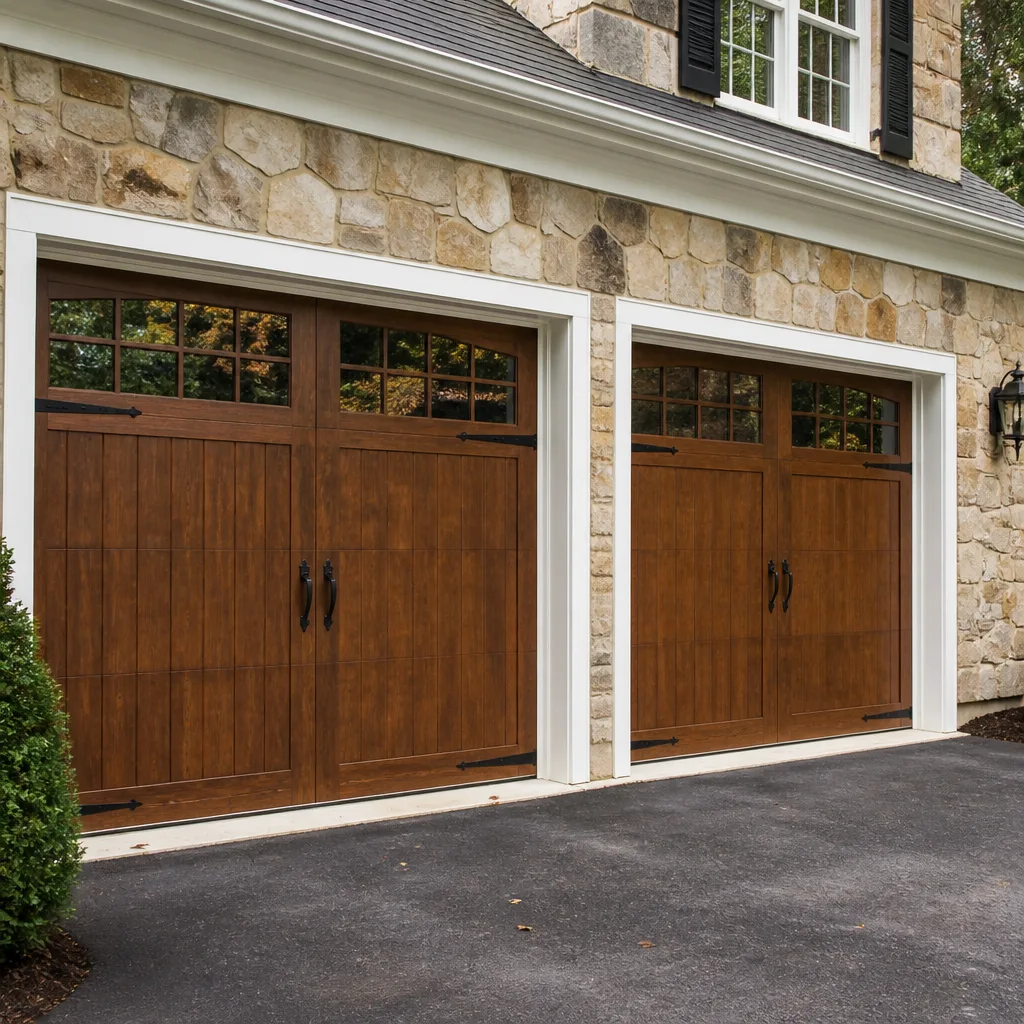 Carriage house
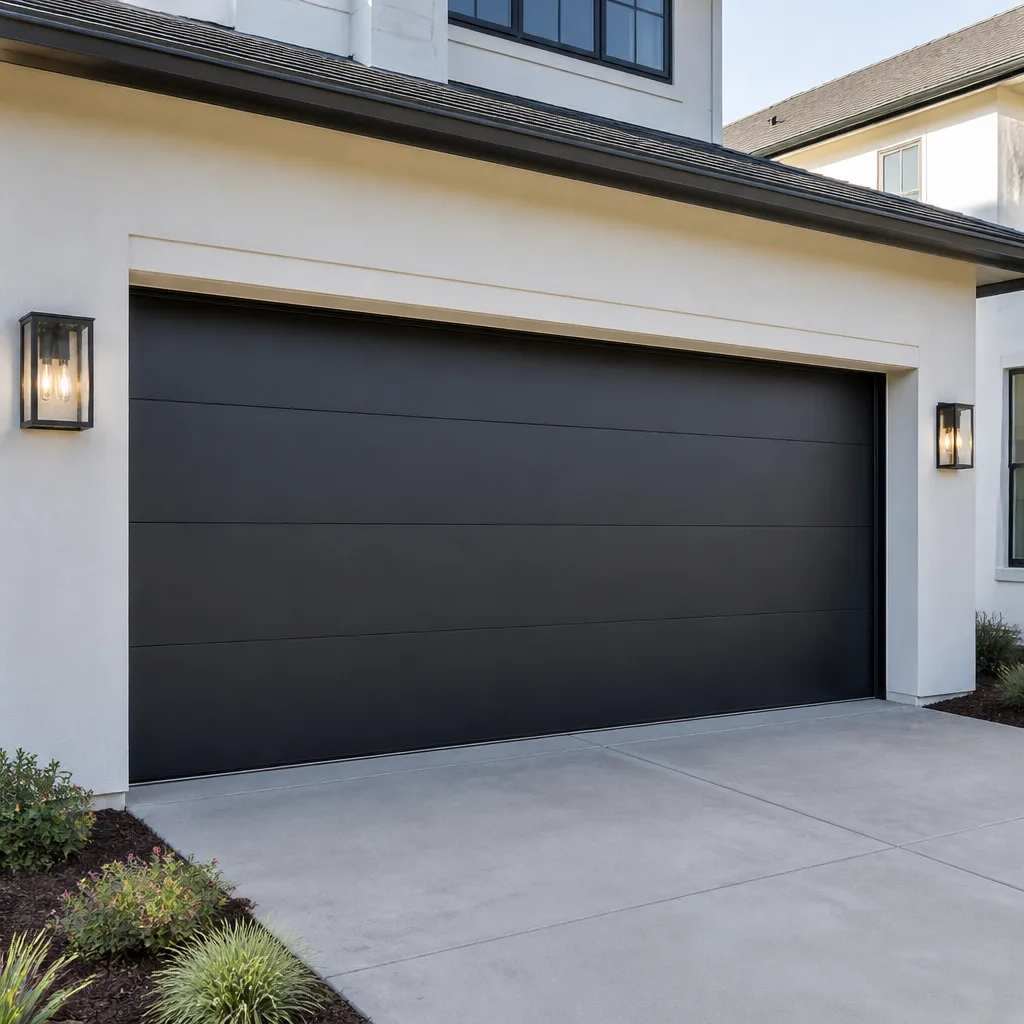 Modern flush
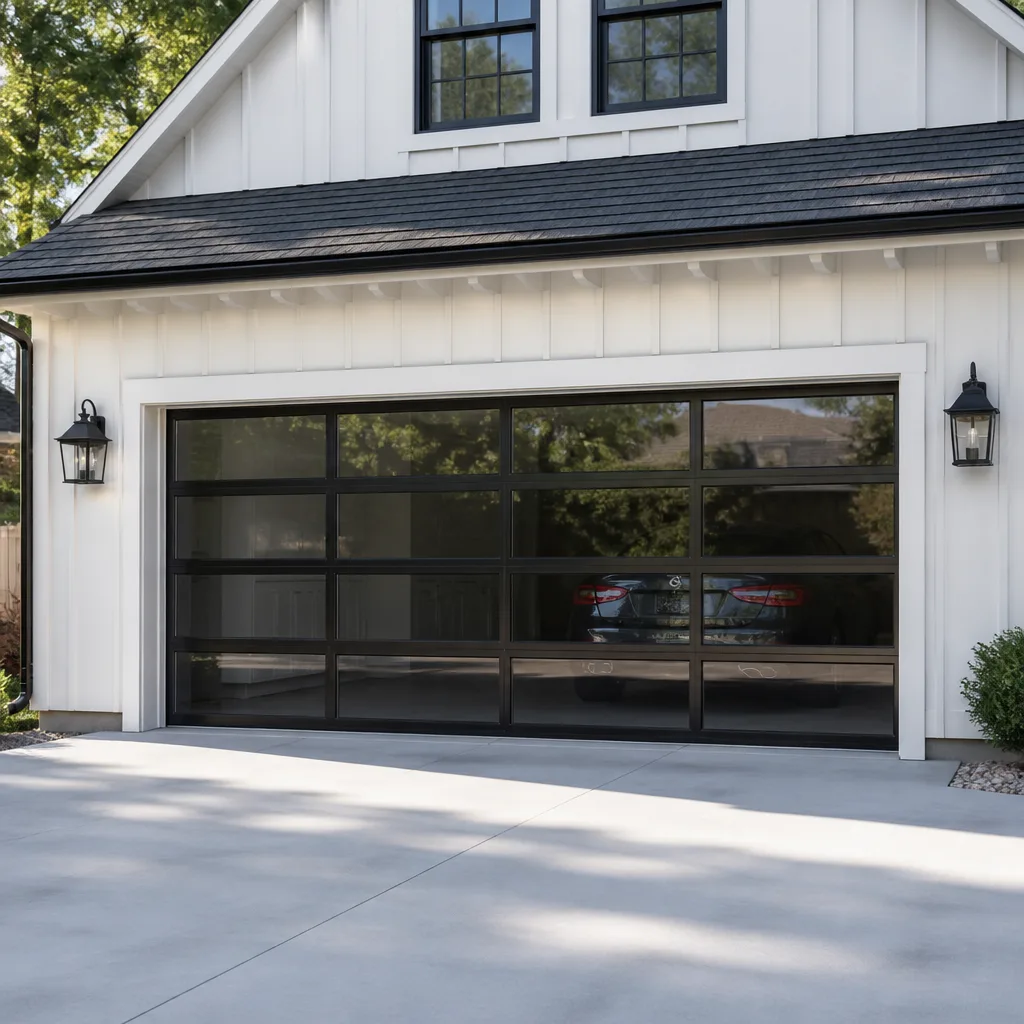 Full-view glass
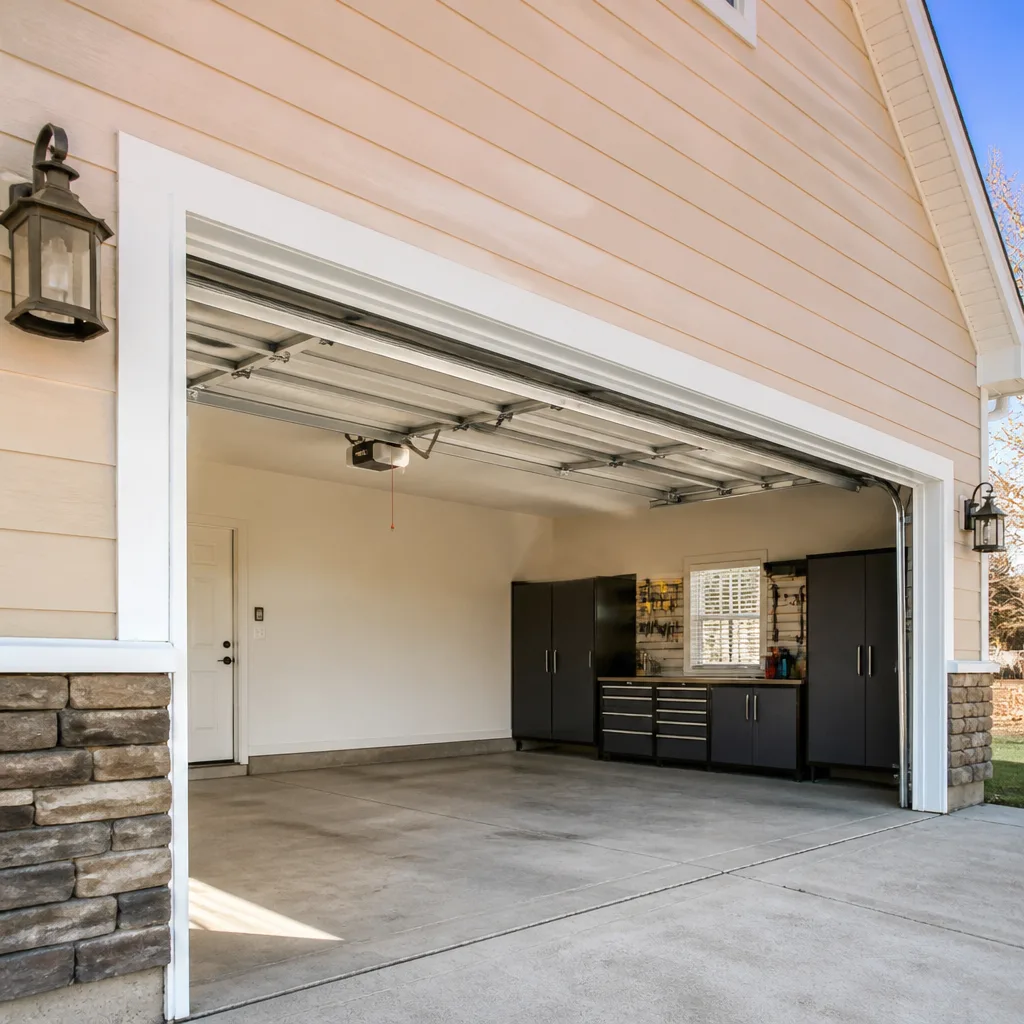 LiftMaster openers
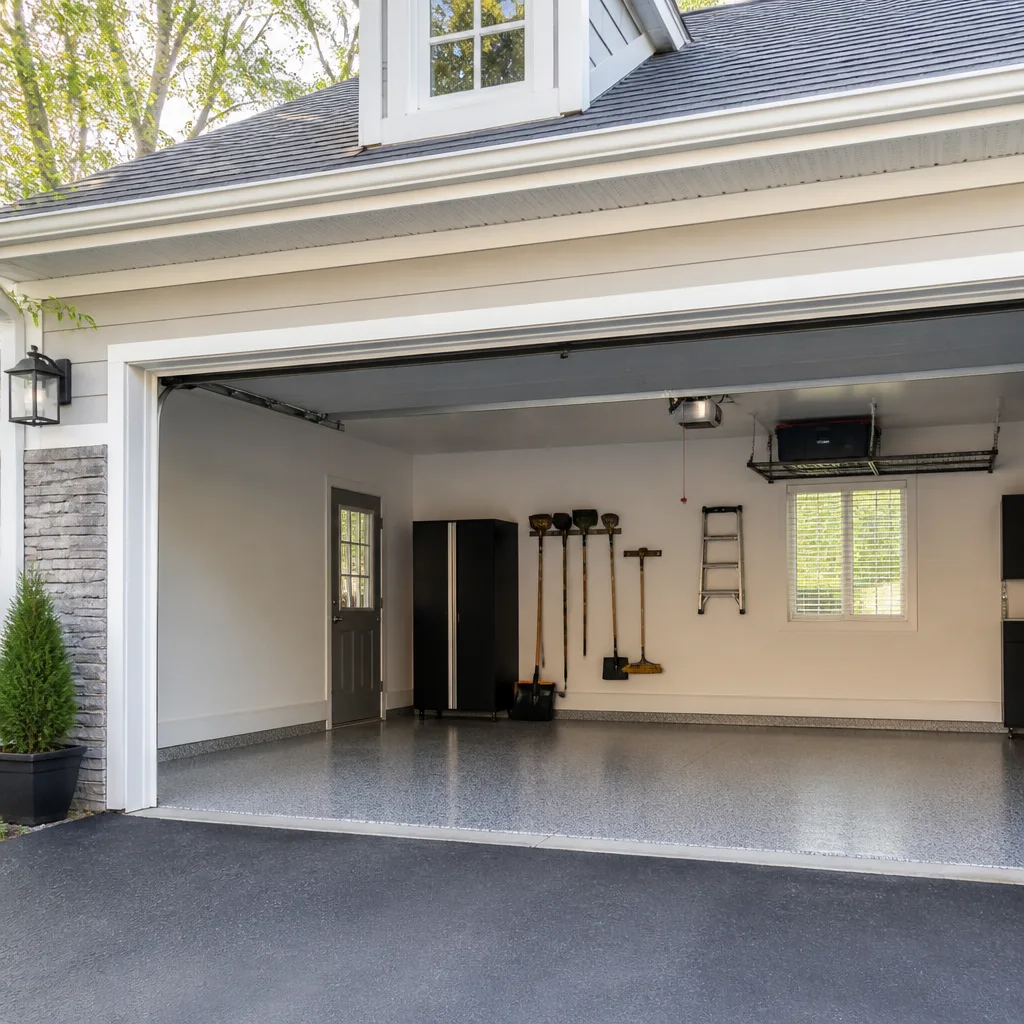 Chamberlain openers
Full 25-point door and opener safety check with every visit - springs, cables, rollers, tracks, and your LiftMaster or Chamberlain opener included
You get a price before we start. It does not change when the pro arrives.
Get your free estimateThe Complete Guide to Garage Doors in Old Brooklyn
Most garage door guides are written for a suburb with new construction and clean concrete. Old Brooklyn isn’t that place. Here, a garage door sits in a narrow single-car bay cut into an aging masonry opening, faces an alley, and is bolted to original framing that has settled and shifted for decades. Advice built for a vinyl-sided cul-de-sac falls apart in that setting, and the gap between that advice and reality is where money gets wasted. This guide starts from the conditions you actually live with in Old Brooklyn: the housing stock, the alleys, the narrow bays, the mix of older and newer openers. We’ll cover how to size and choose, what fails first, and when a repair is a band-aid versus when the opening itself has to be addressed before any door will perform.
Quick Answer
Garage doors in Old Brooklyn work best when the door is matched to the actual masonry opening rather than dropped into it. That means measuring header clearance, checking whether the opening is square and true, picking a door type that fits the older two-flat and double architecture, and choosing an opener that has a real fix for the model on your wall. A door that’s the right size but hung in a crooked opening will keep failing no matter how many times someone resets it.
Styles & brands we work with
- Raised-panel steel
- Carriage house
- Modern flush
- Full-view glass
- LiftMaster openers
- Chamberlain openers
Table of Contents
- Why Old Brooklyn’s Housing Stock Changes Everything
- Older Masonry Openings, Header Clearance, and Opener Mounting
- Alley-Facing Garages: Weatherstripping and Security
- Which Door Types Fit the Neighborhood’s Homes
- Brand Compatibility for the Openers You’ll Actually Find Here
- Repair vs. Rework: When the Opening Needs Attention First
- Spring Repair Is a Safety Job, Not a DIY One
- How the Local Climate Wears on Doors
Why Old Brooklyn’s Housing Stock Changes Everything
The single biggest factor in how a garage door performs in Old Brooklyn isn’t the door. It’s the structure it’s mounted to. The neighborhood is built largely on pre-1970s doubles and brick two-flats, and those buildings have garage garages that were constructed to a different logic than modern ones. Bays are narrow. Ceilings are low. The opening was often framed for a single-car door with just enough clearance to make it work, which leaves very little margin when you add a modern opener’s rail or a taller door panel.
When we assess a garage in Old Brooklyn, we look at the frame before we look at the door. Three things come up again and again:
- Narrow single-car bays leave little room for the door tracks to clear the ceiling, which can limit which openers will fit.
- Settled framing means the opening may no longer be square, so a factory-square door binds on one side.
- Older masonry surrounds don’t flex, so there’s no give when a door is slightly out of tolerance.
The practical result: a door that’s the correct nominal size can still be the wrong door for the opening. This is the single most common misdiagnosis we see. A homeowner replaces the door or the opener, the problem persists, and the real culprit is the opening itself. Measuring the opening carefully, including how plumb the jambs are and how level the header is, is the step that saves you from repeating the problem. If you’re repairing rather than replacing, our garage door repair work starts with that same measurement.
Older Masonry Openings, Header Clearance, and Opener Mounting
Here’s where Old Brooklyn garages differ most from what generic guides assume. A modern garage is framed in wood and drywall, and you can move a header or add a mounting point if you need to. Brick and masonry openings are a different story. You can’t easily notch a masonry header to gain a couple of inches, and you can’t just bolt an opener to anything convenient.
Header clearance is the first constraint. An opener needs a certain amount of vertical space above the door for the rail and the operator head. In a low-ceiling masonry bay, that space is tight, and the opener has to be a model that fits the available room. The second is mounting: an opener’s front and rear mounts need solid attachment points, and older masonry surrounds don’t always offer them where you’d want. Sometimes a piece of framing or a proper mounting bracket is required to get a solid, quiet mount.
A few things worth knowing before you commit to an opener in a masonry bay:
- Measure the vertical clearance above the door’s highest point when it’s fully open, not just when it’s closed.
- Check that the ceiling and walls give you two solid mounting points along the opener’s rail path.
- Confirm the opener model’s headroom requirement against what you actually have, not against the room’s nominal height.
- Plan the mount reinforcement before the opener goes up, not after it starts shaking loose.
Door balance also matters more in a masonry opening. A door that isn’t balanced loads the opener and the frame harder, and a settled masonry bay amplifies any imbalance. A properly balanced door takes the strain off both the opener and the structure.
Alley-Facing Garages: Weatherstripping and Security
Much of Old Brooklyn’s residential parking faces alleys, and that changes what your door has to withstand. An alley-facing door sits in the path of everything that blows down the alley, and it’s exposed to more direct weathering than a door set back behind a driveway. That means weatherstripping wears faster here. The seals along the sides and bottom take the brunt, and once they start to harden or tear, water and grit get in behind the door.
The bottom seal is the first to go. It’s the part that flexes every time the door opens and closes, and in an alley setting it also collects debris. When it’s worn, you’ll see daylight under the door, and on a rainy day you’ll see moisture creeping across the floor. Side and top seals fail next. Keeping those seals in good shape is one of the cheapest maintenance jobs you can do, and it protects everything else.
Security is the other alley-specific concern. A door that doesn’t close fully, or one with a worn or missing seal, invites attention. So does a door with a gap that lets someone see inside. Practical steps for an alley-facing garage:
- Replace worn weatherstripping before it lets in water, not after.
- Make sure the door closes completely and latches evenly on both sides.
- Ensure the opener’s safety reversal works, so the door doesn’t stop short and leave a gap.
- Keep the door’s exterior clean and painted, so the seals and frame last longer.
If you’re dealing with a door that won’t close, that’s a job for someone who can diagnose it quickly, and garage door opener repair often resolves what looks like a door problem.
Which Door Types Fit the Neighborhood’s Homes
Old Brooklyn’s older homes call for door choices that respect both the age of the building and how the door actually needs to work. Two types come up most often in this neighborhood, and the right pick depends on the building, not on a trend.
Flush steel doors are the practical workhorse. They’re flat-faced, seal well, and fit a narrow single-car bay without fuss. On a two-flat where the garage is a simple utility structure, a flush steel door gives you a clean fit and a durable surface for the alley exposure. They’re the door that just works when the opening is straightforward.
Carriage-style doors suit the older architecture better. On doubles and brick two-flats that still carry original character, a carriage-style door matches the look of the block instead of fighting it. The catch is fit: carriage-style doors can be heavier and need the opening and opener to be up to the weight. That’s a measurement question before it’s a style question.
A few points on choosing:
- Match the door to the opening’s real measurements, not to a standard size that’s close.
- On a narrow bay, favor a door that seals tightly and needs minimal side clearance.
- On a character home, a carriage-style door usually looks right if the structure supports it.
- Confirm what your municipality requires for your specific project before ordering, and ask the city’s building department what applies.
If repair has become replacement, our garage door installation work begins with measuring the opening and the structure before a door is chosen.
Brand Compatibility for the Openers You’ll Actually Find Here
The openers inside Old Brooklyn garages are as mixed as the housing stock. On a pre-1970s double, you’re as likely to find an older unit that’s been ticking along for years as you are a newer connected opener. Knowing the brand matters because the fix for one opener isn’t always the fix for another, and a technician who knows the model already has a head start.
Here’s a rough compatibility map for what we commonly see in this neighborhood and what matters for each:
- LiftMaster and Chamberlain – the leading app-connected brands. Their known fixes revolve around Wi-Fi pairing, safety sensor alignment, and travel limits. When one of these acts up, there’s usually a specific fix for the model rather than a guess.
- Craftsman – a common legacy unit on older doors. Parts availability and age matter here; a Craftsman that’s served for years may need a repair rather than a replacement.
- Raynor – shows up on some of the older doors in the neighborhood, and the models are distinctive enough that knowing them saves time.
- Genie – equally common, and the fix depends on whether it’s an older chain-drive or a newer unit with different controls.
The point of knowing the brand is diagnostic depth. When the technician arrives already familiar with how that opener is built, the visit is shorter and the diagnosis is more accurate. If you’re troubleshooting an opener problem, our garage door opener repair work covers both the connected brands and the legacy units. And if repair has run its course, we can talk through replacement in the same visit, so you don’t need a second call.
Repair vs. Rework: When the Opening Needs Attention First
This is the decision that separates a lasting fix from a repeat problem. A repair is a band-aid when the underlying issue is the opening. If the door binds because the frame has settled, replacing the door doesn’t fix the settled frame. If the opener shakes because the mount is on loose masonry, a new opener won’t fix that either. The door and opener are only as good as the structure they’re hung in.
So how do you tell the difference? Ask whether the problem repeats. A door that needs resetting once is a repair. A door that comes out of adjustment again and again, or a door that binds in the same place every time, points to the opening. A visual check helps too:
- Look at the door’s gap along the sides and top. Uneven gaps point to an out-of-square opening.
- Watch the door travel. A door that hesitates or scrapes on one side is fighting the frame.
- Check for cracks or movement in the masonry surround.
- Listen to the opener. Rattle and shudder at the mount suggest the structure, not the opener.
When the opening needs rework, that’s the moment to get it done before a new door goes in. Hanging a new door in a crooked opening wastes the door and the money. Our garage door repair Old Brooklyn approach is to measure and diagnose the opening first, then decide what actually needs to happen. That’s honest, and it’s cheaper over time than repeating the same fix.
Spring Repair Is a Safety Job, Not a DIY One
Torsion and extension springs are under very high tension. When one lets go, it releases stored energy all at once, and that’s why spring work is the most dangerous and technically demanding part of the trade. A garage door that won’t open, or that hangs open on one side, is often a spring or cable problem. This is not a job to take on with hand tools and a how-to video.
What you can safely do is recognize the signs and call. Those signs include a loud bang from the garage, a door that suddenly becomes very heavy to lift, a visible gap in the spring coil, or a door that opens partway and stops. Leave the door as it is. Don’t force it. Torsion springs especially should only be handled with proper tools and training, and that’s why we treat spring repair as its own specialty rather than something folded into general repair.
Spring replacement is a safety job first. The right approach:
- Keep clear of the door and don’t try to raise or lower it by hand.
- Don’t cut, bend, or adjust the spring or the cables yourself.
- Call for service and leave the door in place until a technician can assess it.
- Expect a matched pair to be replaced together when they’re a set; a pair costs roughly twice a single spring.
Our technicians have up to 12 years of experience with torsion and extension spring work. If you’re facing a snapped spring, that’s an urgent call, and we handle same-day and emergency service for exactly this kind of situation.
How the Local Climate Wears on Doors
Old Brooklyn sees a real swing between seasons, and that swing is hard on garage doors. Cold winters and hot summers mean the materials expand and contract, and every joint and seal takes the strain. The bottom seal hardens in cold, cracks, and then lets in moisture when the thaw comes. Metal panels flex and fatigue. Wood components move. The result is that a door’s seals and hardware need more attention here than in a mild climate.
The parts that wear first are predictable:
- Weatherstripping – flexes with every open and close, and hardens in the cold.
- Bottom seal – the most exposed part, and the first to fail.
- Rollers and hinges – wear with every cycle and can seize in cold weather.
- Springs – a spring cycles thousands of times over its life, and temperature swings add stress.
The practical takeaway is to inspect and maintain on a seasonal rhythm rather than waiting for failure. A worn seal isn’t a crisis, but it lets water and cold in, and that’s the kind of slow damage that goes unnoticed until it’s expensive. An annual look at the seals, the rollers, and the spring is a small investment. When something turns up, a quick call is worth more than a repair bill later.
Common Mistakes to Avoid
- Replacing the door before checking the opening. A settled or out-of-square opening will chew up a new door just as fast as the old one. Measure the frame first.
- Assuming a narrow bay takes a standard door. Old Brooklyn’s bays are often smaller than a catalog’s default size. Order to the measurement, not the label.
- Bolting an opener to whatever looks handy. On a masonry surround, the mount has to be solid and reinforced, or the opener shakes loose and the door misbehaves.
- Waiting on worn weatherstripping in an alley-facing garage. Once the seal fails, water gets in and the damage spreads. Replace it early.
- Trying to adjust a torsion or extension spring yourself. Springs are under extreme tension and can release suddenly. This is work for someone with the tools and training.
- Assuming the brand doesn’t matter. A fix for a LiftMaster isn’t the fix for an older Craftsman. Knowing the model saves time and misdiagnosis.
- Ignoring a door that binds twice. A single reset is a repair. The same bind coming back is the opening telling you something.
See the difference
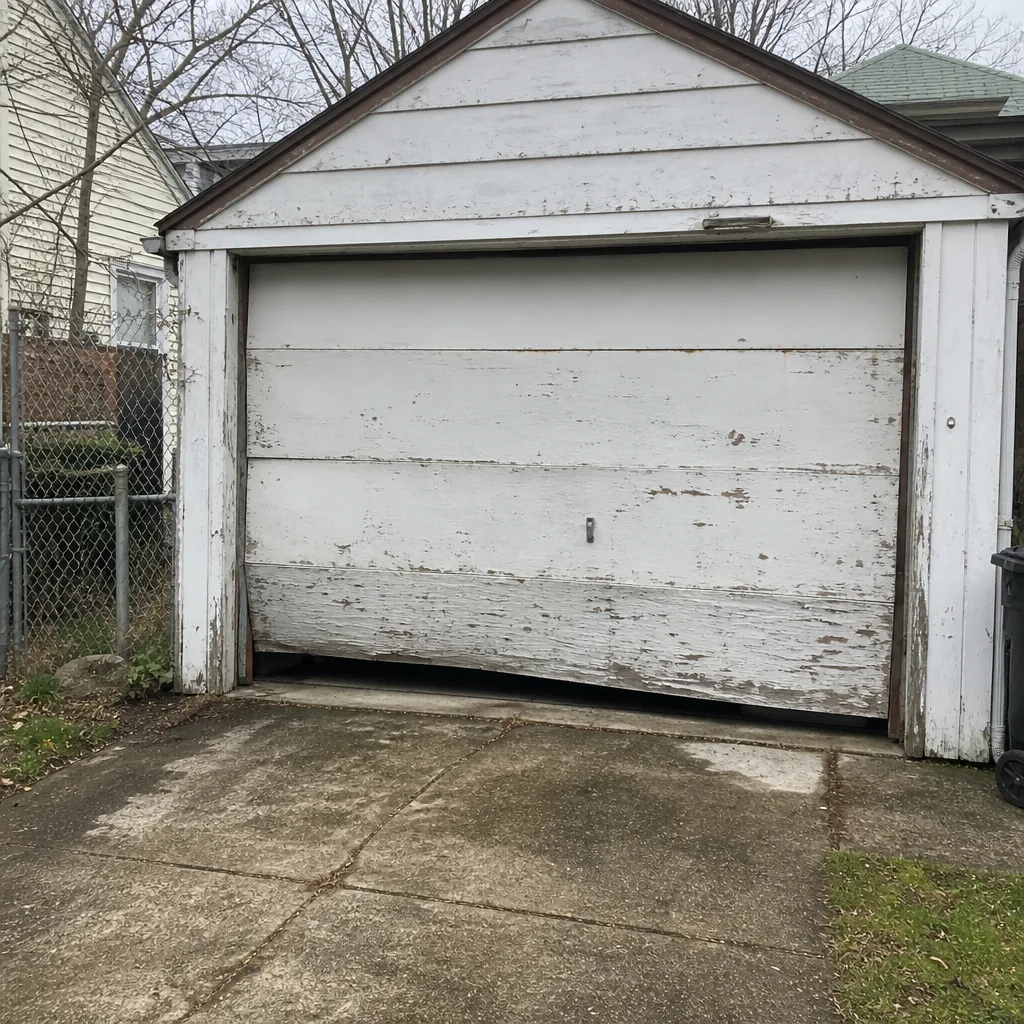 Before
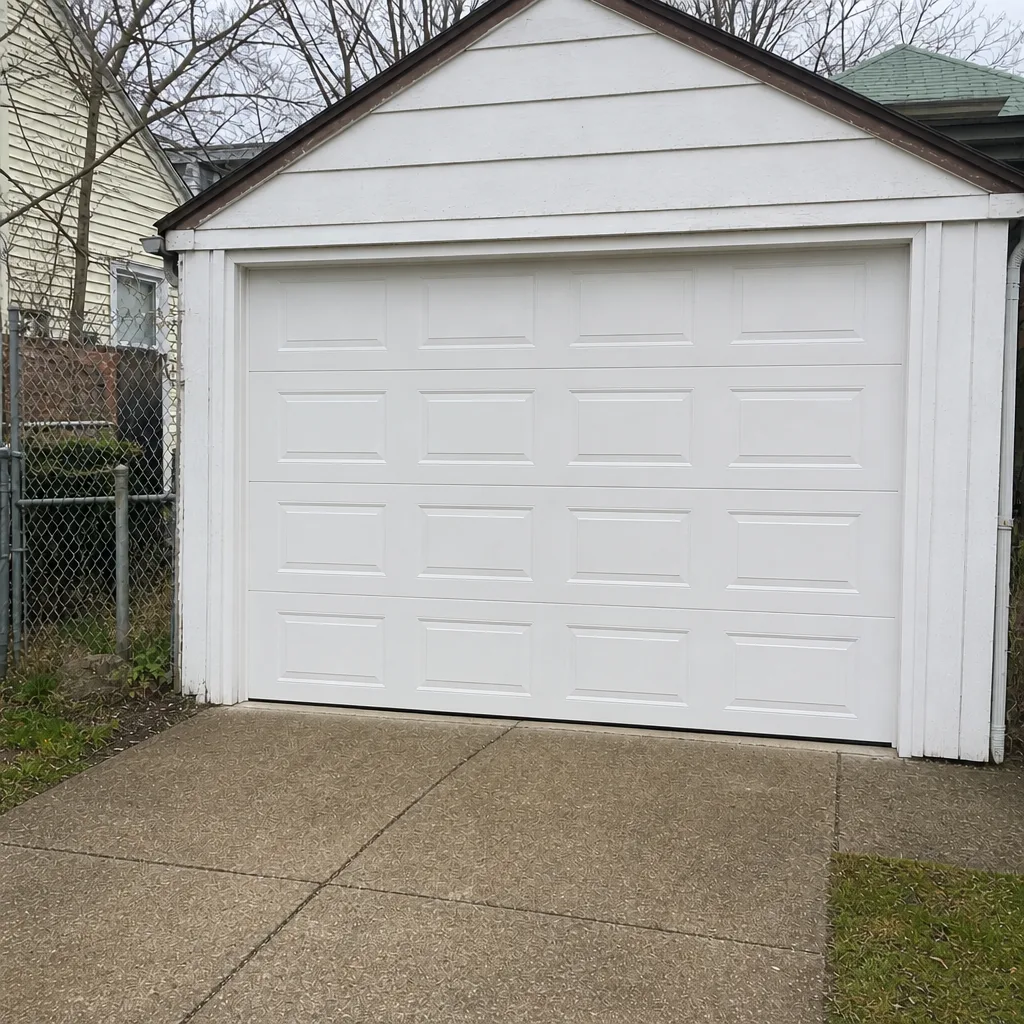 After
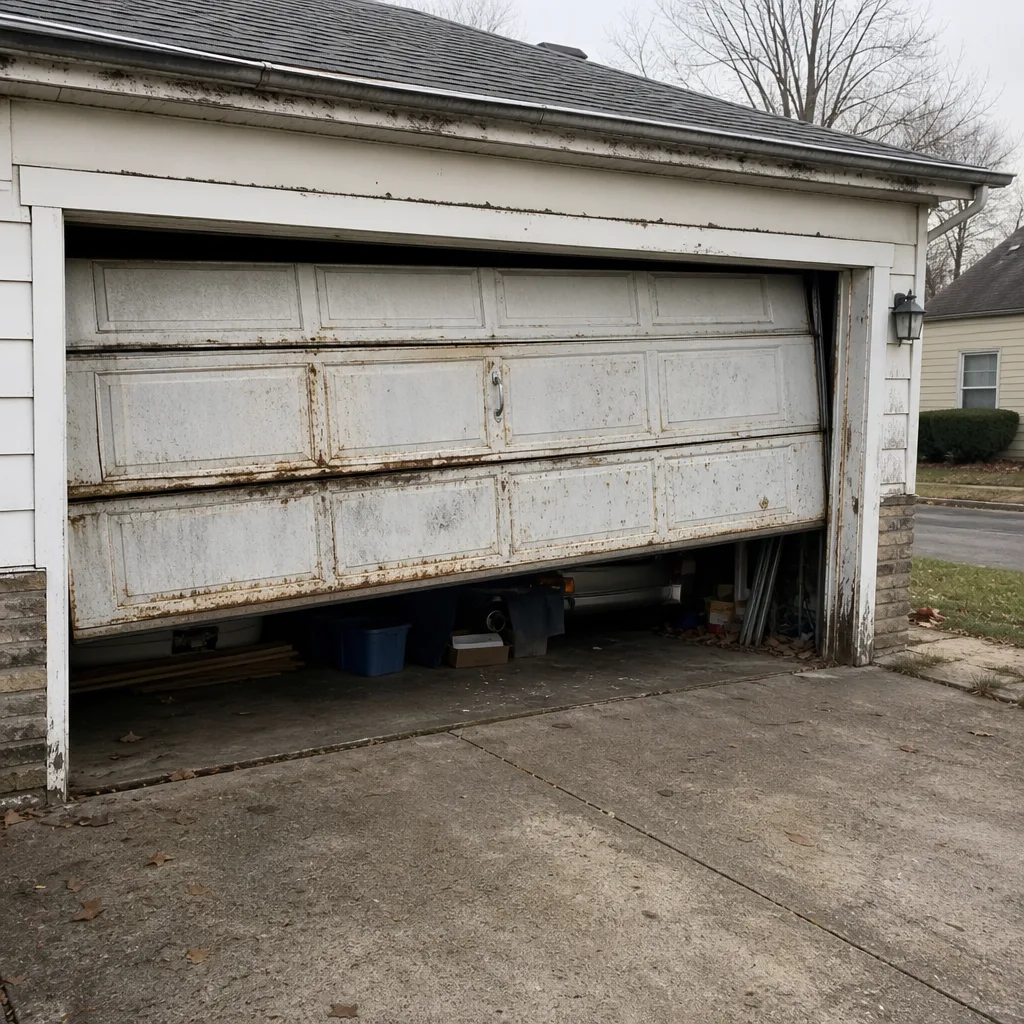 Before
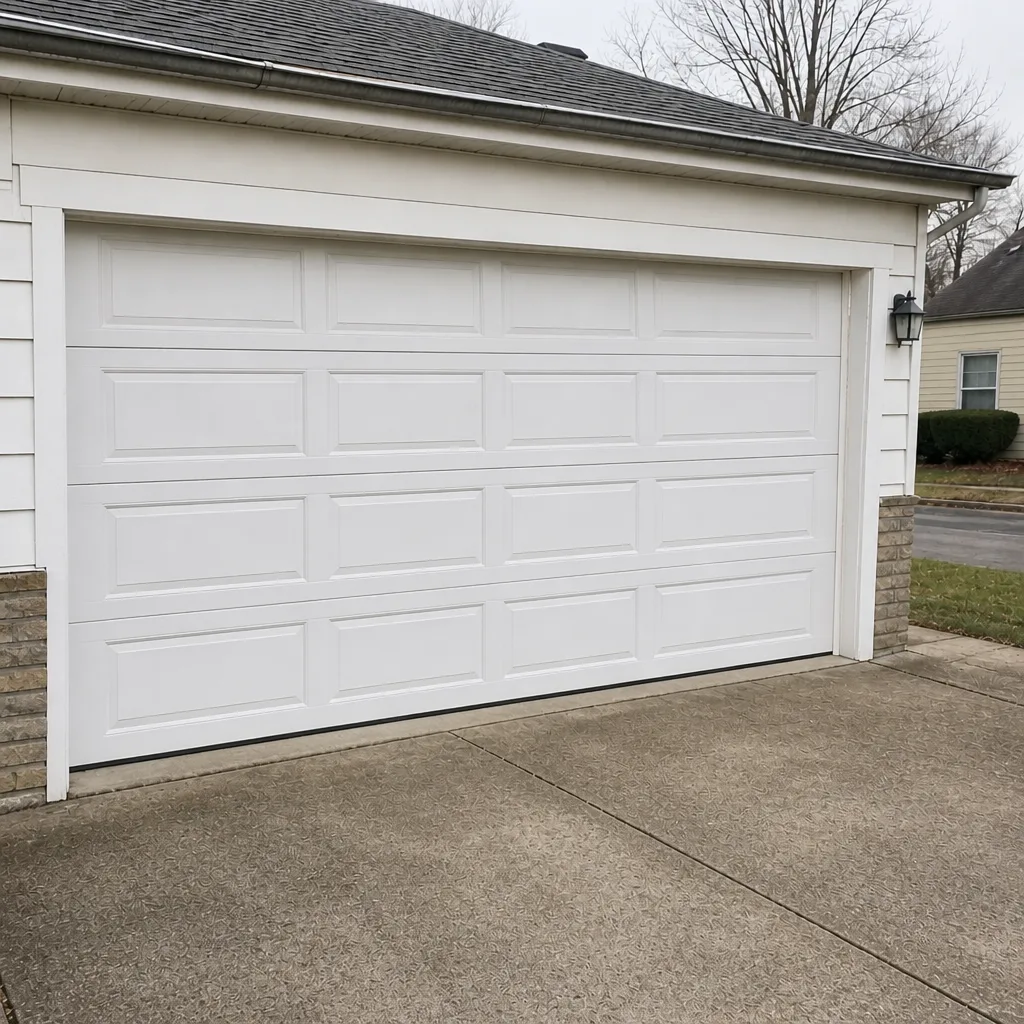 After
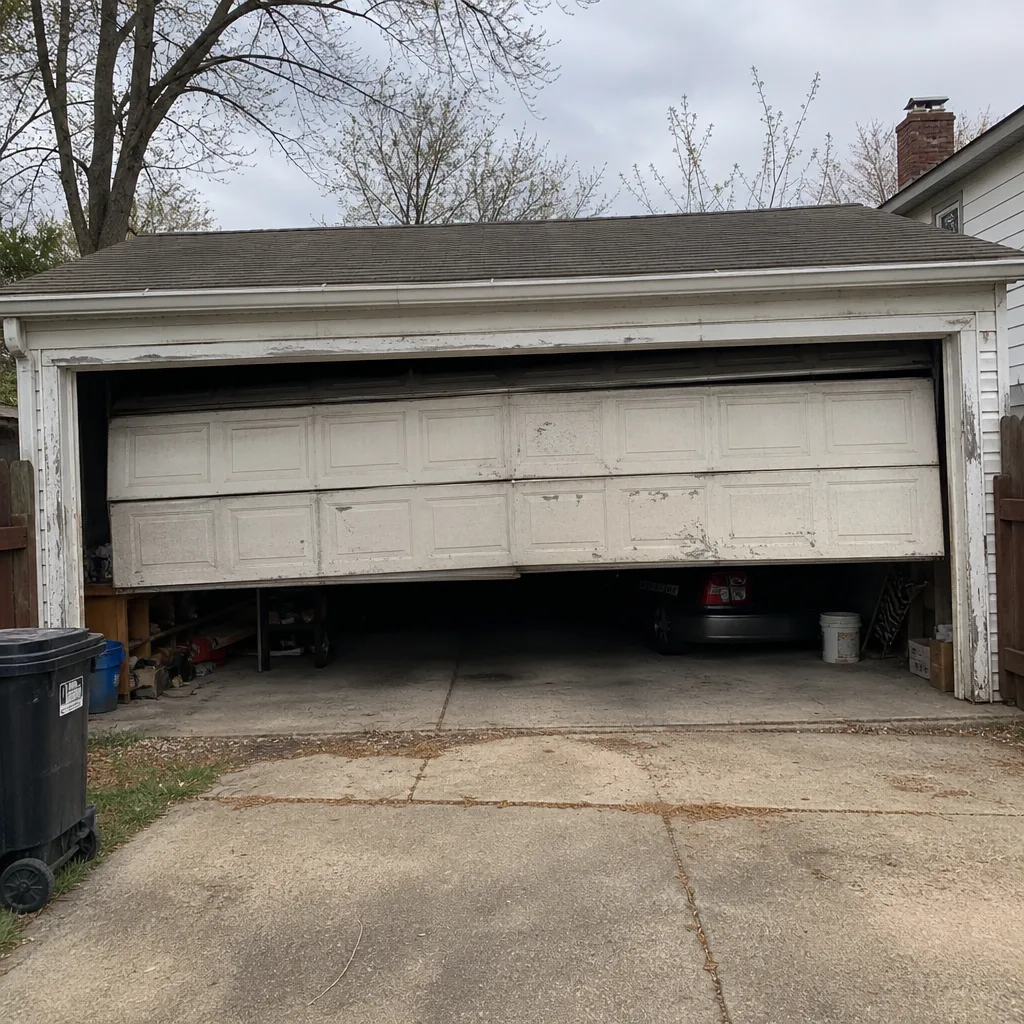 Before
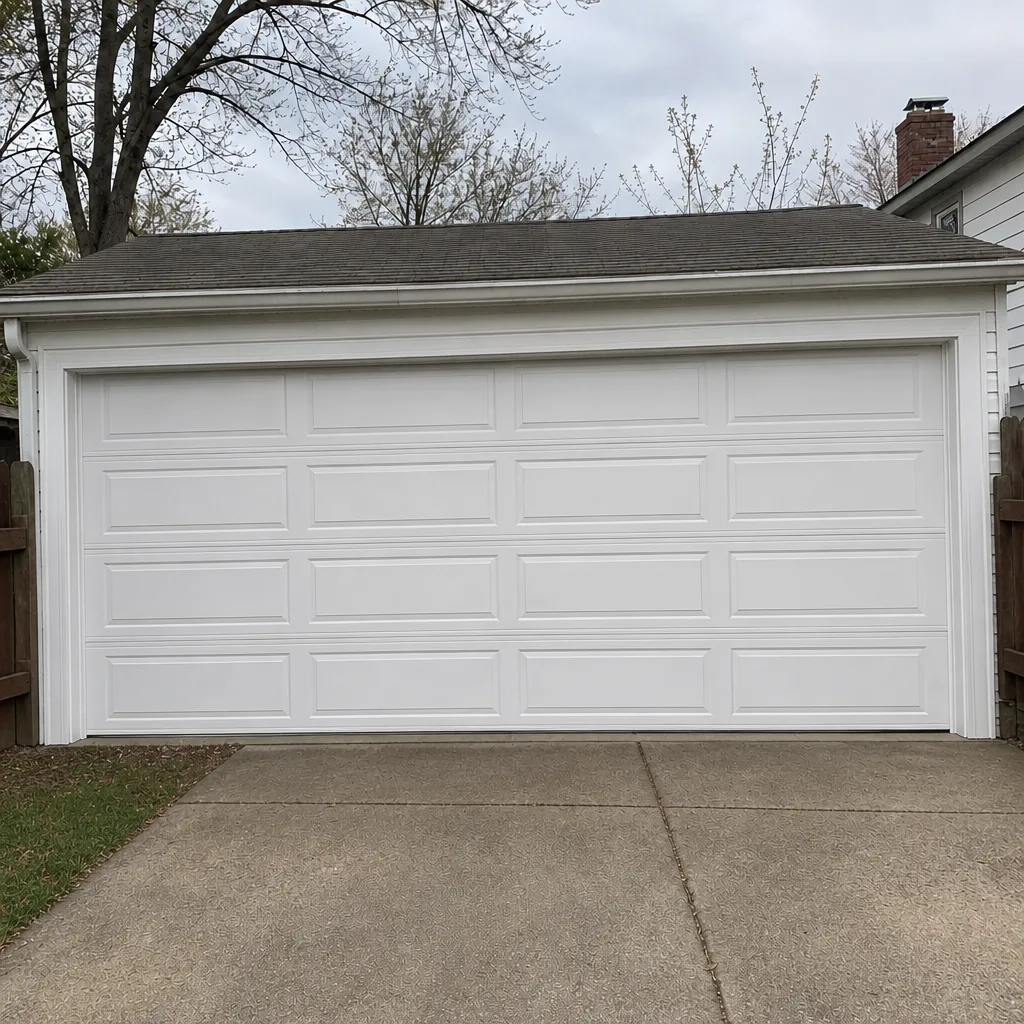 After
When to Call a Professional
Some jobs are clearly professional territory. A snapped spring, a door that hangs open on one side, or a door that won’t close all the way is an urgent call, and it’s not a job to troubleshoot alone. The same goes for anything involving an opener mounted to older masonry, or a door that comes out of adjustment more than once. If you’re unsure whether the problem is the door, the opener, or the opening, a professional measurement settles it in minutes. Garage Door Repair Old Brooklyn offers free estimates in Old Brooklyn, and our technicians have up to 12 years of experience with the brands you actually have. Call (888) 965-4156 and we’ll give you a written price before any work starts.
Frequently Asked Questions
Typical garage door repairs in Old Brooklyn run somewhere in the range of a routine service call, with spring and opener work usually toward the higher end. The written estimate sets the final price, and we quote and agree it before any work starts. Call (888) 965-4156 for an exact quote, and estimates are free.
Yes, a door that won’t open is exactly what our emergency service is for, and we offer same-day and emergency service for urgent situations. We handle doors that are stuck open, stuck closed, or that pose a safety or security risk. Call (888) 965-4156 and we’ll get you on the schedule.
No, the price we quote is the price for the agreed work, and any additional finding gets a new written price before it’s done. You’ll never be surprised by an invoice bigger than what you agreed to. Call (888) 965-4156 for a free estimate.
Yes, we service Craftsman, Raynor, LiftMaster, Chamberlain, and the other major brands, both newer connected openers and older models. Knowing the specific brand is what makes the diagnosis quick and accurate. Call (888) 965-4156 if you’re not sure what you have.
A door that repeatedly comes out of adjustment usually has an opening that isn’t square or a frame that has settled, not a door problem. The fix is to address the opening before the door. Call (888) 965-4156 and we’ll measure it and tell you what’s really going on.
Alley-facing garages get more direct exposure to weather and debris, so the bottom and side seals wear faster than a door set back behind a driveway. Replacing the seals before they tear keeps water out. Call (888) 965-4156 if you’d like us to take a look.
The Bottom Line
Garage doors in Old Brooklyn succeed or fail on the conditions of the building, not the catalog. The narrow bays, settled masonry openings, and alley exposure here call for measuring the opening first, choosing a door that fits it, and picking an opener that has a real fix for the model on the wall. Repair is worth it when the opening is sound. When it isn’t, rework comes before a new door. Springs stay in professional hands. And weatherstripping on an alley-facing garage gets attention before it fails, not after. Get those fundamentals right and the door does its job for years.
If you’re in Old Brooklyn and your door or opener needs a look, call Garage Door Repair Old Brooklyn at (888) 965-4156 for a free estimate. We’ll measure the opening, quote the work in writing, and agree the price before anything starts.
Written by the team at Garage Door Repair Old Brooklyn.