Last updated November 20, 2026
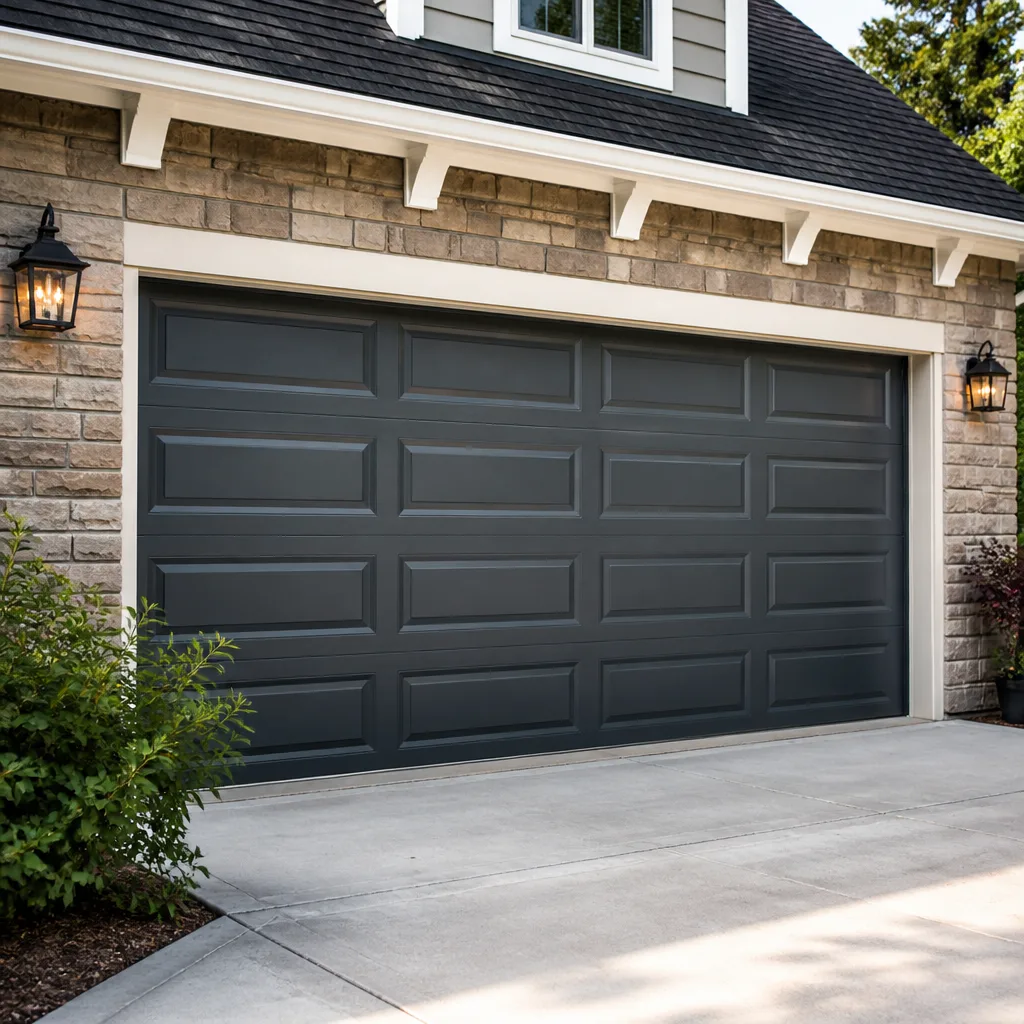 Raised-panel steel
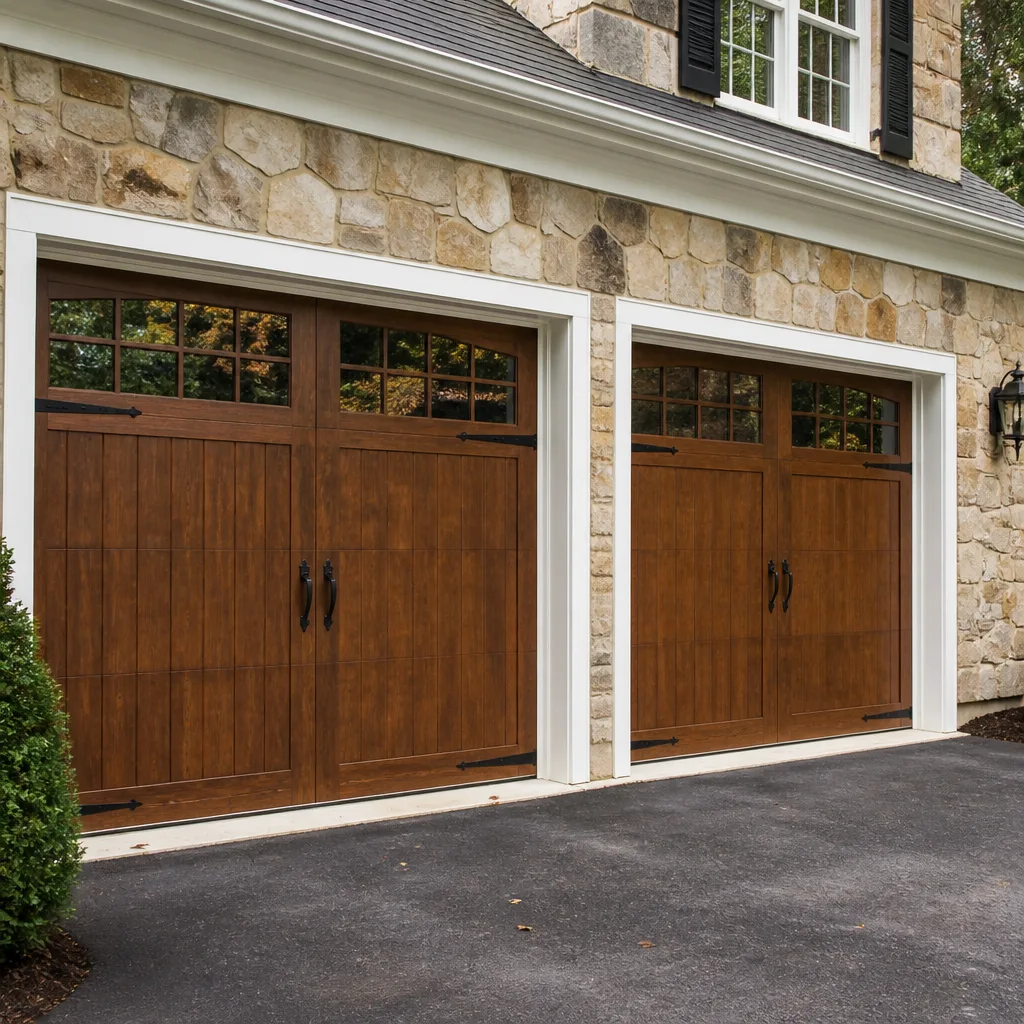 Carriage house
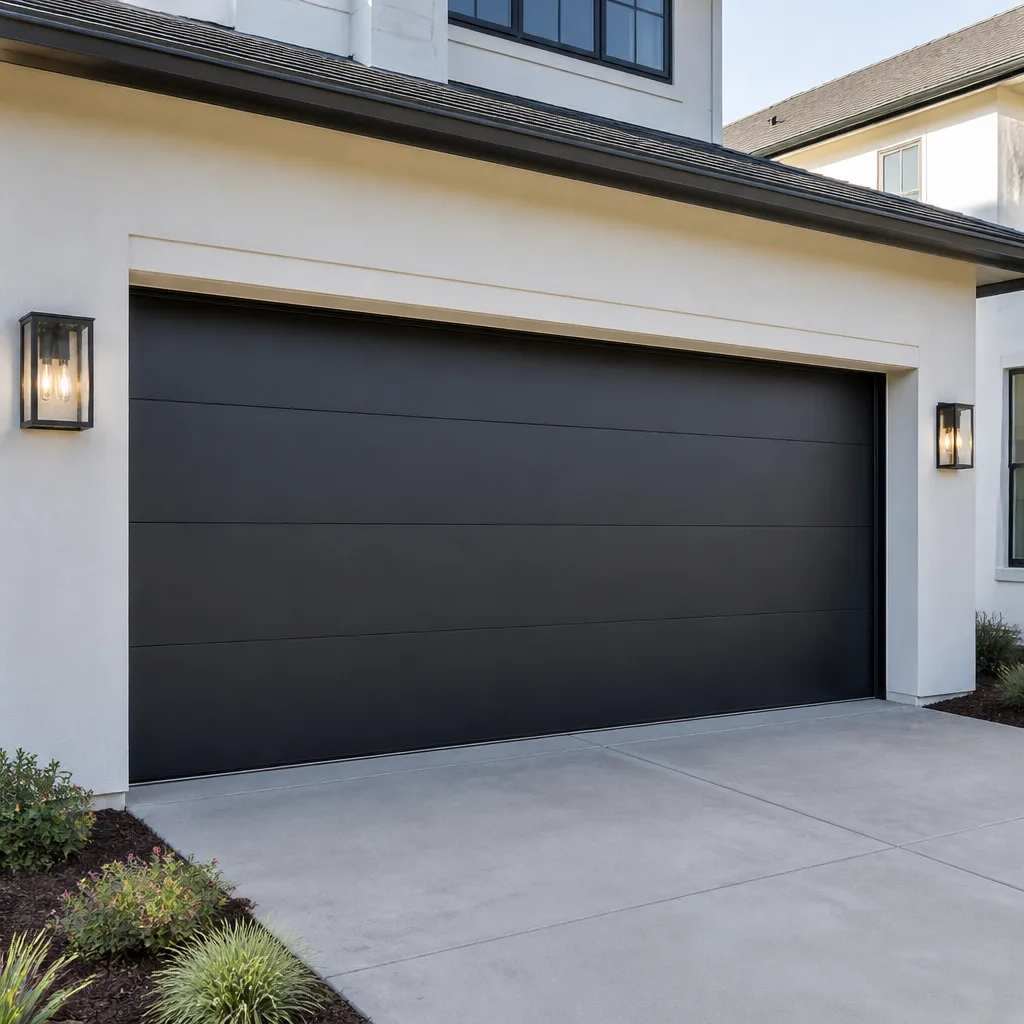 Modern flush
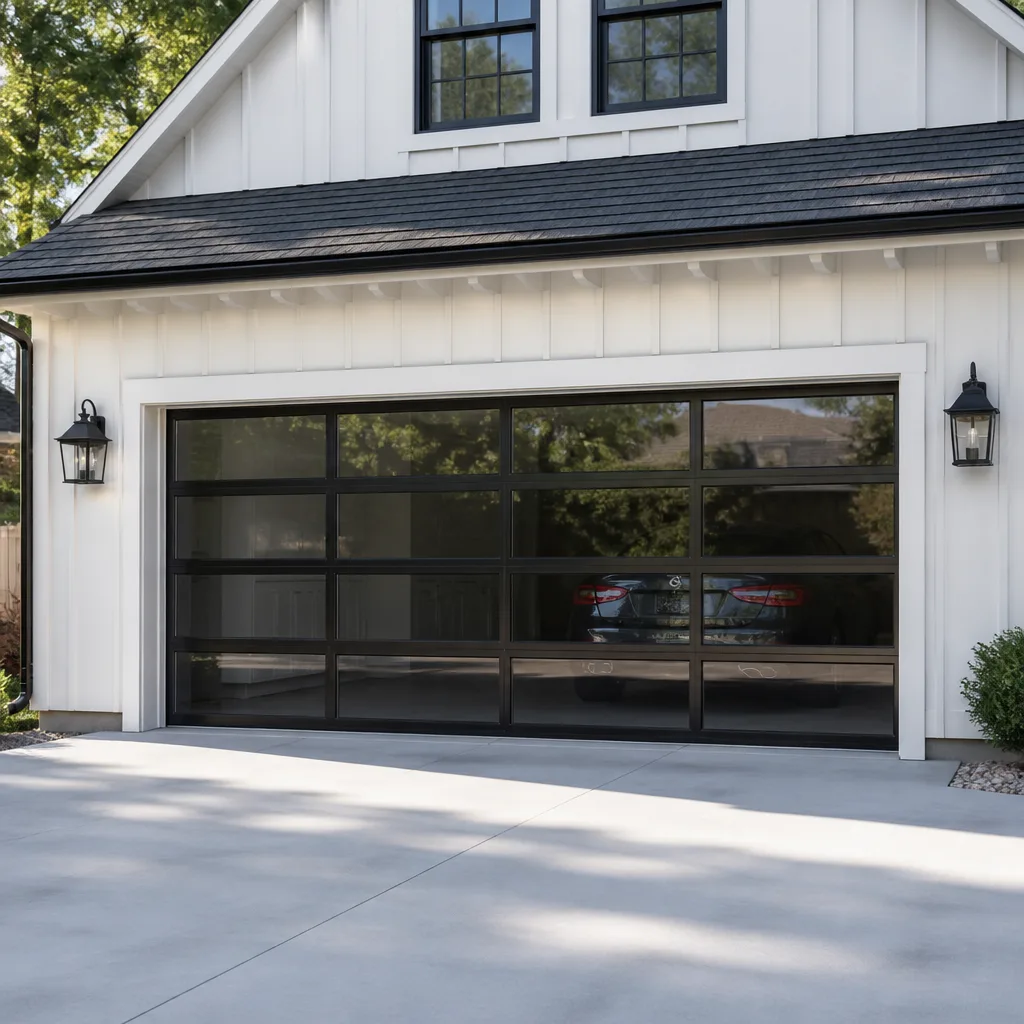 Full-view glass
 LiftMaster openers
 Chamberlain openers
Full 25-point door and opener safety check with every visit - springs, cables, rollers, tracks, and your LiftMaster or Chamberlain opener included
You get a price before we start. It does not change when the pro arrives.
Get your free estimateGarage Door Permits, Codes & Inspections in Old Brooklyn, OH: What You Need to Know
Most homeowners in Old Brooklyn who replace a garage door never pull a permit, and most of the time nothing happens. That’s the uncomfortable truth nobody wants to say out loud. But when it does matter, it matters enormously. A missing permit can surface years later during a home sale, on an insurance claim, or on the wrong side of an injury dispute, and untangling it costs far more than the permit ever would have. The rules here aren’t obvious: an Ohio door replacement can trigger a permit, a wind-load rating requirement, and an inspection, or none of the above, depending on three factors most contractors won’t volunteer upfront. This guide breaks down exactly when a permit is required in Old Brooklyn, what a code-compliant installation actually looks like, and how to spot a shortcut before you sign.
Quick Answer
In Old Brooklyn, a full garage door replacement usually requires a permit through the City of Cleveland’s building department, while a repair to an existing door (springs, opener, rollers, cables, tracks) typically does not. Which door specs a replacement needs depends on the design wind speed for the site, and your contractor should be able to supply a wind-load rating for the door assembly. The written estimate should state clearly whether the permit is included. If a contractor won’t answer that question directly, that’s your first warning sign.
Styles & brands we work with
- Raised-panel steel
- Carriage house
- Modern flush
- Full-view glass
- LiftMaster openers
- Chamberlain openers
Table of Contents
- What Actually Triggers a Permit in Cuyahoga County
- Ohio Building Code Section R301 and Wind-Load Ratings
- Who Pulls the Permit: You or Your Contractor?
- How Unpermitted Work Surfaces During a Home Sale
- What a Code-Compliant Installation Looks Like
- What the Inspection Process Actually Involves
- Old Brooklyn Housing Stock and Garage Door Realities
- Common Mistakes to Avoid
What Actually Triggers a Permit in Cuyahoga County
The single most misunderstood part of garage door work in Old Brooklyn is the line between repair and replacement. A repair keeps the existing opening and door in place. A replacement removes one door and installs another. That distinction drives almost every permit decision here. Repairs are standard maintenance. Replacements are construction.
When you swap out an existing door for a new one of the same size and configuration, most building departments in Cuyahoga County treat that as a structural alteration to the opening. That’s usually a permit trigger. The permit covers the framing that anchors the door, the size of the opening, and the way the door attaches to the building.
Here are the conditions that commonly push a job from “probably no permit” into “definitely pull a permit” territory in Old Brooklyn:
- Full door replacement. Removing an existing overhead door and installing a new one is the clearest permit trigger.
- Opening size change. Widening, narrowing, or raising the garage opening is a structural modification that almost always requires a permit.
- Header or framing changes. If the header above the opening needs reinforcement or replacement, that’s structural work.
- Changing door type. Converting from a single to a double door, or from a manual door to an electric one, changes the load path and the electrical requirements.
- New electrical for an opener. If new wiring is run to power an opener where none existed, that’s electrical work, which carries its own permit rules.
What usually does not require a permit: replacing a torsion or extension spring, swapping out a broken opener for a new one of the same voltage and rating, replacing rollers, hinges, or cables, or adjusting an existing door. These are repair jobs. On a typical Old Brooklyn repair call, the only door you’re touching is the one already on the house.
That said, the City of Cleveland’s building department has the final say. Rules shift, and individual inspectors can interpret a borderline case differently. If you’re unsure, call the building department before work starts and ask about your specific address. A two-minute phone call has saved homeowners weeks of headaches.
Ohio Building Code Section R301 and Wind-Load Ratings
Ohio Building Code Section R301 sets the design wind-speed requirements for structures, and garage doors are part of the building envelope. That means a replacement door needs to be rated for the wind pressure the code specifies for your site, not for the highest number the door manufacturer happens to offer. Getting this right is about matching the door to your building, not about paying for the strongest door on the market.
Here’s where it gets practical. Garage doors sold today come with a design pressure rating, often expressed on the door label or the product data sheet. The manufacturer publishes a pressure rating for each size and model, and the installer has to match that rating to the wind load your building department requires for the address. A door rated below that threshold may be rejected during inspection. A door rated well above it is more expensive without adding real protection.
What that means in practice for Old Brooklyn:
- Ask your installer for the design pressure rating in writing. A qualified installer will know the number for the door they’re proposing and whether it matches the site requirement.
- Match the door size to the rating. Larger door panels deflect more under wind load and often need a higher-pressure model or additional reinforcement to meet the same requirement as a smaller opening.
- Use reinforcement where required. Many door models are available with struts or bracing that increase their pressure rating. Those have to be installed as specified by the manufacturer.
- Keep the documentation. Store the pressure rating sheet with the door. If you sell the house, that sheet is the difference between a smooth walk-through and a scramble for records.
We use Clopay and Amarr doors often because both manufacturers publish clear pressure ratings for each model, which simplifies the conversation with the building department. Other popular lines carry the same information. The important part is that the installer knows to look for it and can explain why the door matches the site.
For repair work that doesn’t replace the door, wind load is generally not the question. The door is already there, already rated (or not), already on the building. Repairs such as spring replacement or opener repair do not change the wind resistance of the existing assembly, so they don’t typically involve the designer.
Who Pulls the Permit: You or Your Contractor?
The permit is legally the responsibility of the property owner, which is why some contractors push it back onto the homeowner. They frame it as a courtesy: “You’ll need to pull the permit, we’ll do the work.” What that really does is shift the accountability away from the people doing the installation. If something goes wrong, the paper trail never has their name on it.
In our view, that’s a bad arrangement for the homeowner. The contractor who understands the wind-load requirement, the header reinforcement, the anchorage details, and the inspection process is the one who should be walking the permit through. A homeowner who’s never filed a building permit application is at an immediate disadvantage, and there’s no reason to accept that burden.
Here’s how the responsibility should break down on a garage door replacement in Old Brooklyn:
- Contractor: Determines whether a permit is required, prepares the application, submits the drawings or spec sheets, coordinates the inspection, and handles any corrections after inspection.
- Homeowner: Reviews the estimate to confirm the permit is included, provides the address and any property records, and makes sure the final documentation ends up with the home’s records.
- Building department: Reviews the application, issues the permit, performs the inspection, and issues the final sign-off.
If a contractor tells you the permit is “your job,” ask them why. Sometimes there’s a reasonable answer (a landlord job where the property owner wants to control the process), but usually there isn’t. A contractor who works on this kind of equipment regularly knows the permit process and can handle it without pushing it back.
How Unpermitted Work Surfaces During a Home Sale
Unpermitted garage door work is invisible until it isn’t. It usually surfaces at one of three moments: a home sale, an insurance claim, or the discovery of a problem that traces back to the original installation.
During a home sale in Old Brooklyn, the buyer’s inspector looks at the garage door the same way they look at the furnace or the roof. They check whether the door operates safely, whether the opener’s safety reverse works, and whether the structure supporting the door looks sound. If something’s amiss, they note it. Then the buyer’s agent asks the seller for the permit records. That’s when the seller discovers the replacement was never permitted.
What happens next depends on the buyer and the lender:
- Nothing. Some buyers accept a note in the inspection report and move on. That’s the best case.
- Repair or retrofit request. The buyer may ask the seller to bring the installation up to code, which usually means addressing what the original installer missed.
- Retroactive permit. The seller files for a permit after the fact, and the building department inspects the already-installed door. If it fails, the seller fixes it before the sale closes.
- Deal collapse. The buyer walks. That’s rare, but it happens when the repair scope looks bigger than the buyer wants to take on.
Insurance claims are trickier. If a door fails and an adjuster asks for proof the installation complied with code, an unpermitted job can complicate the claim. We’ve seen insurers ask for permit records on garage door damage claims, and we’ve seen homeowners scramble to find them. The best outcome is always the one where the paperwork was filed correctly the first time.
If you’re buying a house in Old Brooklyn and you suspect a recent door replacement, ask the seller for the permit and the pressure rating sheet. If they don’t have it, factor a possible retrofit into your offer.
What a Code-Compliant Installation Looks Like
A compliant garage door installation is not just a door hanging neatly in the opening. There are specific structural and safety elements that separate a real install from a drop-in that happens to work. We’ve been called to fix doors in Old Brooklyn that were installed without the structural prep, and the problems show up in how the door moves and how it holds under load.
These are the things a code-compliant installation involves:
- Header reinforcement. The header above the opening has to carry the weight of the door and its hardware. On older brick garages, that header often needs additional support, particularly if the original framing has aged or sagged.
- Anchorage. The door tracks and the header bracket have to be anchored to structural lumber, not just to drywall, sheathing, or a hollow cavity. Anchors that pull loose under load are the most common cause of a door drifting out of alignment.
- Track alignment and level. The tracks have to be plumb and parallel to each other, and the horizontal tracks have to be level. Out-of-square tracks put uneven wear on the rollers and stress the door.
- Opener safety reverse. Every automatic opener has to be tested and confirmed working. The opener’s safety reverse system must stop and reverse the door on contact, and the photo-eye sensors must be installed at the proper height and aligned.
- Balance and spring tension. A properly installed door balances at the halfway point, and the springs are matched to the door’s weight. Springs that are undersized or oversized stress the opener and shorten its life.
- Weather sealing. Bottom seals and perimeter seals keep water and pests out and reduce the load on the opener during operation.
When all of that is done correctly, the inspection is usually straightforward. The inspector checks the door operation, the opener safety reverse, the anchors, and the design pressure documentation. A clean inspection is the sign of an installation done properly, not a lucky break.
What the Inspection Process Actually Involves
For a garage door replacement in Old Brooklyn, the inspection is generally scheduled after the door and opener are installed. The city inspector arrives, checks the installation against the permitted scope, and signs off. Getting through that inspection without a correction notice is mostly a matter of the installer doing the work correctly the first time.
Here’s how the process typically runs:
- Permit application. Your contractor files the application with the building department, usually with drawings or product specs, the design pressure rating, and the address.
- Permit issuance. The department reviews the application and issues the permit, sometimes the same week, sometimes longer.
- Installation. The work is done to the permitted scope. The installer keeps the pressure rating sheet on hand.
- Inspection request. Your contractor schedules the inspection. This is the moment unpermitted installs get caught and compliant ones get their sign-off.
- Inspection day. The inspector checks the door operation, the opener safety reverse, the anchoring, the framing, and the documentation.
- Sign-off or corrections. If anything fails, the contractor corrects it and re-schedules. A good contractor handles this without pushing the cost onto the homeowner, because the failure wasn’t the homeowner’s doing.
If the door is replacing a door and the opener is being reused, some inspectors will check the safety reverse anyway, since the opener is part of the operating system. That check is quick, and a properly maintained opener passes it. If you’ve been ignoring a slow-reversing photo-eye for a year, this is a good time to fix it.
Old Brooklyn Housing Stock and Garage Door Realities
Old Brooklyn has a lot of housing stock from the 1920s through the 1960s, and that shapes how garage door work happens here in ways that matter for permits. That includes detached garages with narrow single-car openings, brick construction, and headers that have carried the same load for a very long time. It also includes a lot of homes that have been updated more than once, which can mean the garage door on the property has already been replaced at least once.
When we look at an older garage in Old Brooklyn for a replacement, we’re looking for three things that determine whether the job is a straightforward install or a structural repair:
- Header condition. If the header above the opening has sagged or cracked, the door replacement turns into a framing job. That means the permit scope changes.
- Anchor points. Older masonry garages sometimes lack solid lumber at the anchor points, and the installer has to add blocking or use the appropriate anchors for masonry.
- Opening dimensions. Old Brooklyn garages were built to dimensions that don’t always match current door sizes, so a replacement might need a custom-sized door or minor opening adjustments.
Those conditions are why a garage door replacement here is often more than just “swap the door.” Sometimes it’s straightforward and the permit is simple. Sometimes the install becomes a framing repair. The installation crew needs to be able to handle the second case without shutting the project down, and homeowners need a written estimate that covers the realistic scope. For replacement jobs that turn into a full installation, our garage door installation team handles the structural prep, the pressure rating, and the permit through one job.
Spring repair is a separate matter and one we treat as a safety job. Torsion and extension springs are under extreme tension, and the tools and training required aren’t something a generalist should take on casually. If your door bangs, hangs, or won’t lift off the ground, that’s a spring problem, not a permit problem. For that kind of failure, our Garage Door Repair Old Brooklyn team should be your first call.
Common Mistakes to Avoid
- Skipping the permit because “nobody ever checks.” Most of the time nobody does. The one time they do, the cost of retroactive compliance is far more than the permit would have been.
- Assuming a repair is a replacement. Homeowners who pull a permit for a spring replacement or opener swap are usually paying for work that didn’t need one. Ask your contractor for the distinction before filing anything.
- Letting the contractor push the permit onto you. A design-build contractor who handles the application, the drawings, and the inspection is worth the difference in estimate. A contractor who says “you pull the permit” is telling you something about their process.
- Ignoring the wind-load rating. A door without a documented design pressure rating is a door that may not pass inspection, and one that may not be insurable against wind damage. Ask for the sheet.
- Replacing a door without checking the header. Old Brooklyn garages built before the 1970s often have headers that need reinforcement once a heavier modern door is hanging there. Skipping the header check is the most common thing that fails a final inspection.
- Tossing the pressure rating sheet. The sheet proves the door met code. Keep it with the home’s paperwork, alongside the permits and inspection records.
- Skipping the file when a home sale is on the horizon. If you’re thinking about listing in the next couple of years, pull the permit and keep the paperwork. It’s the cheapest insurance against a walk-through surprise.
See the difference
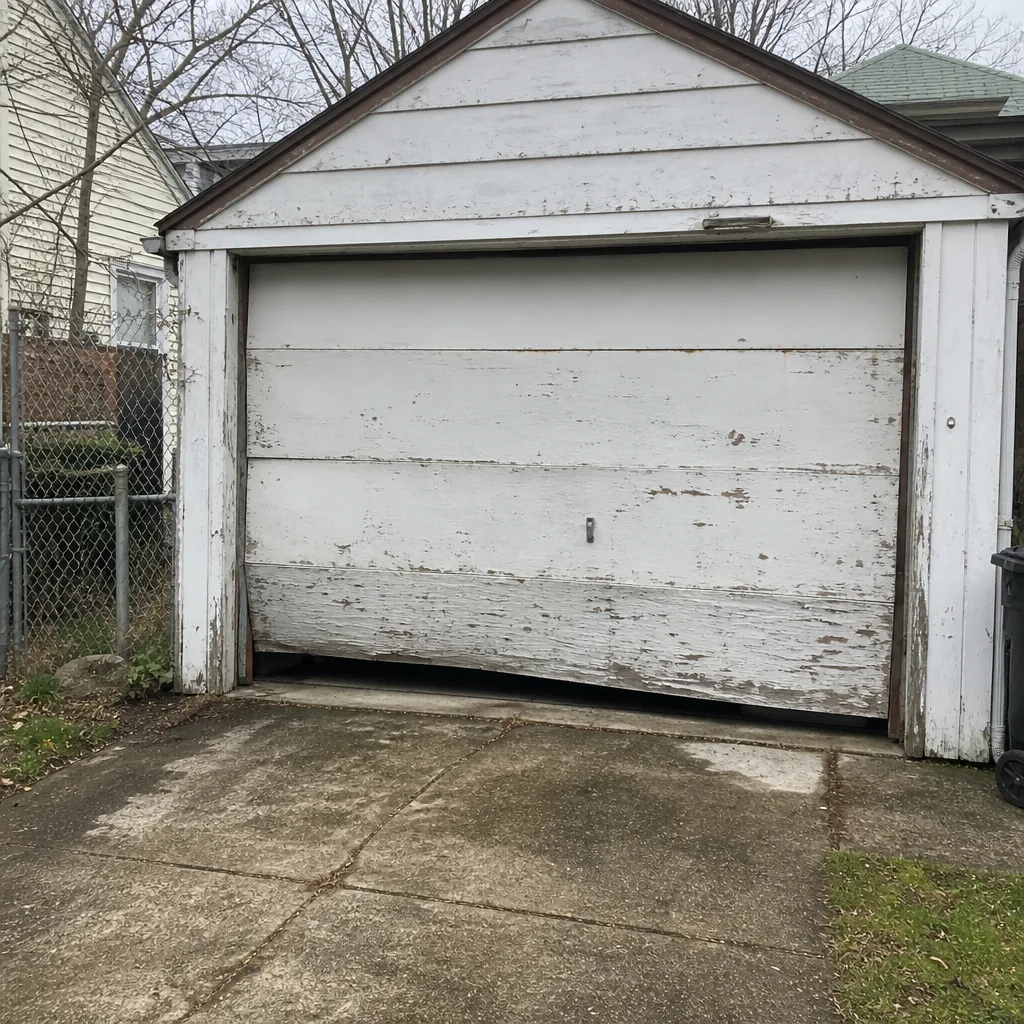 Before
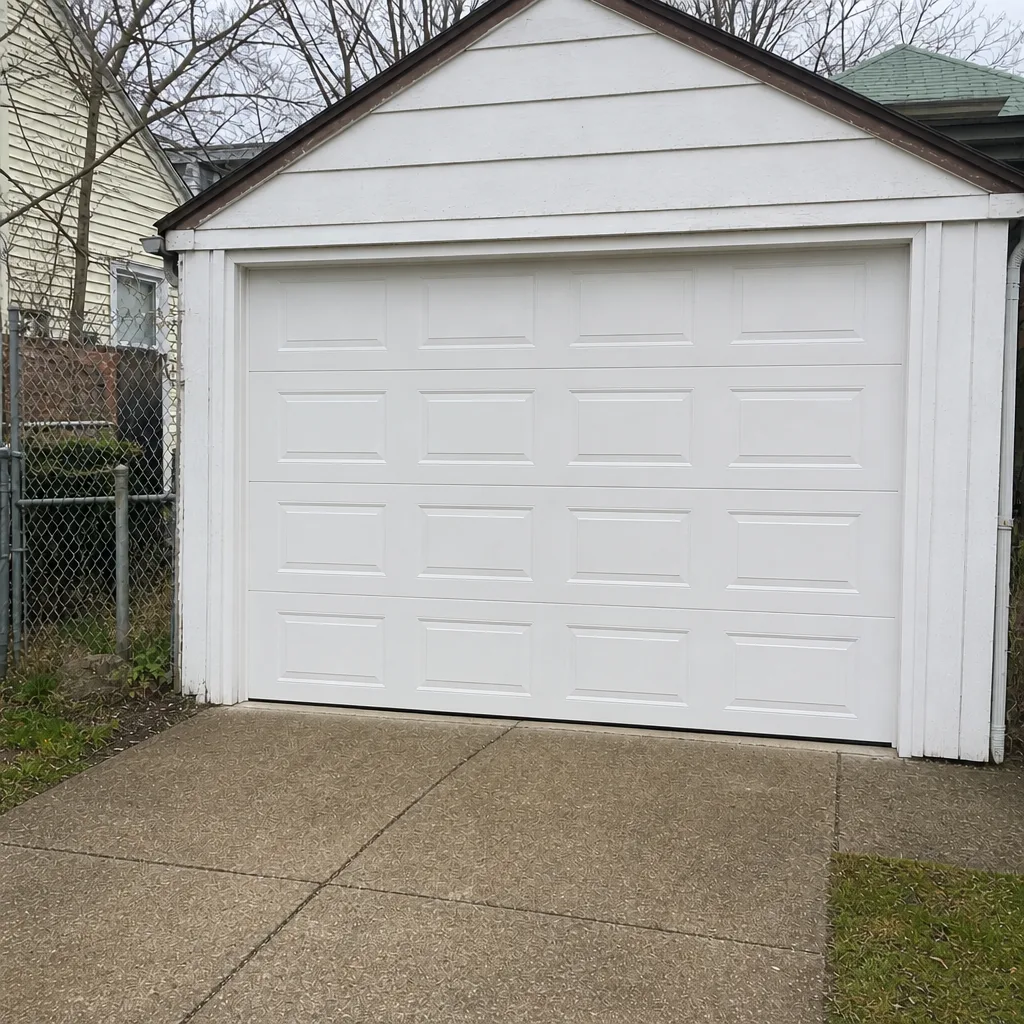 After
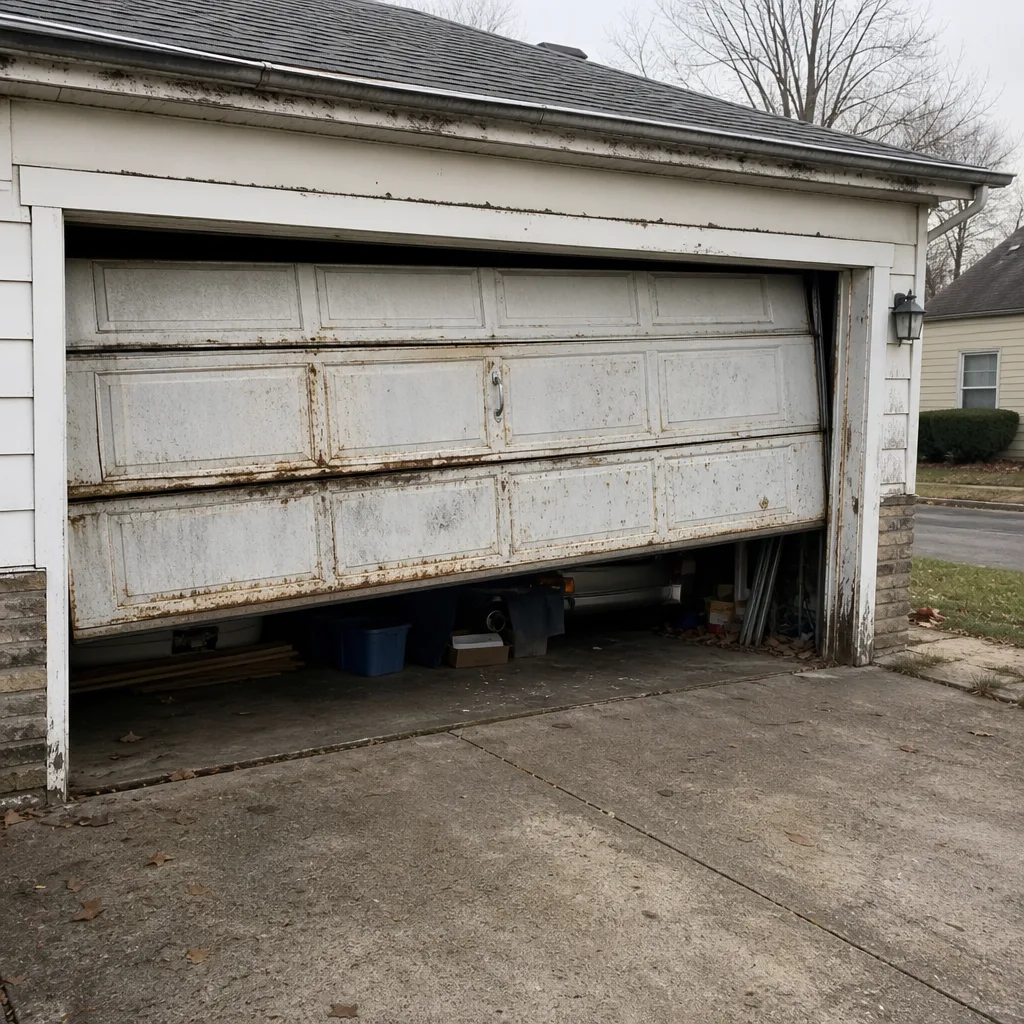 Before
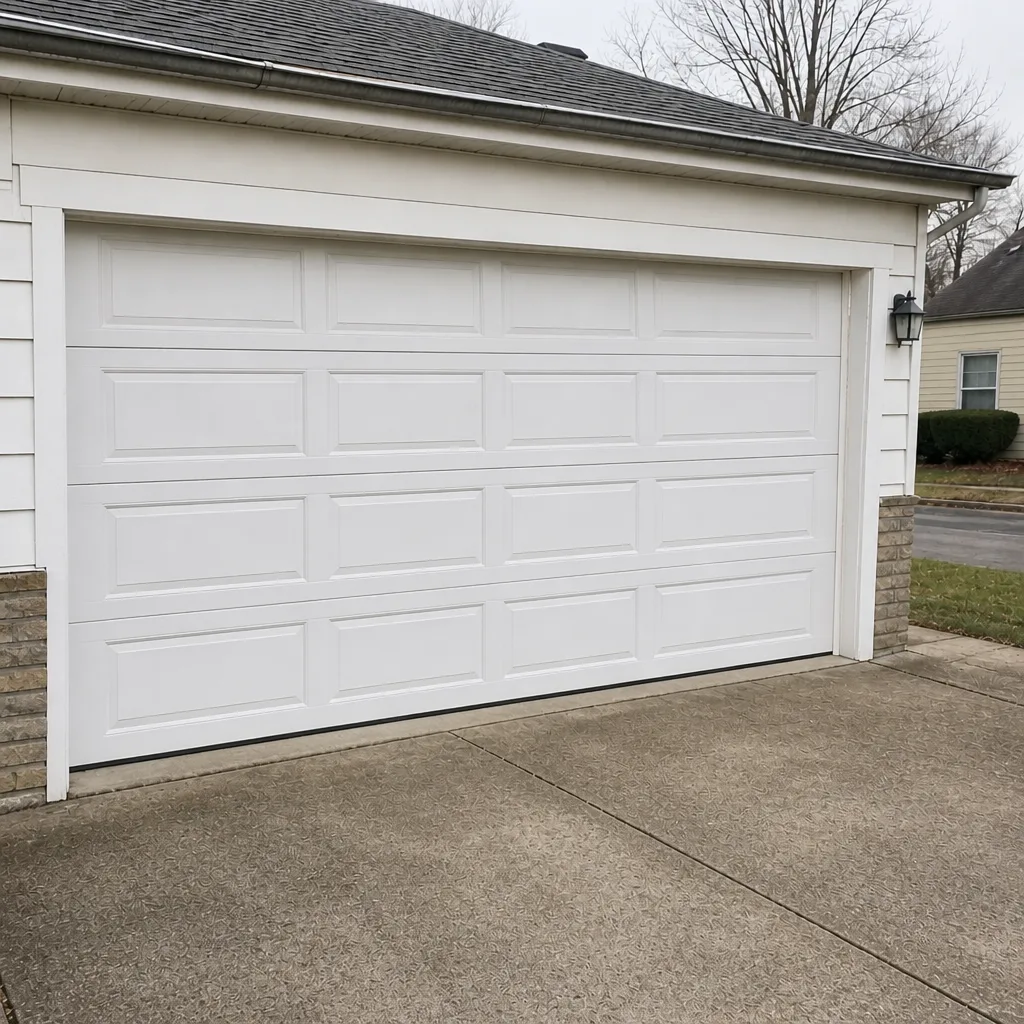 After
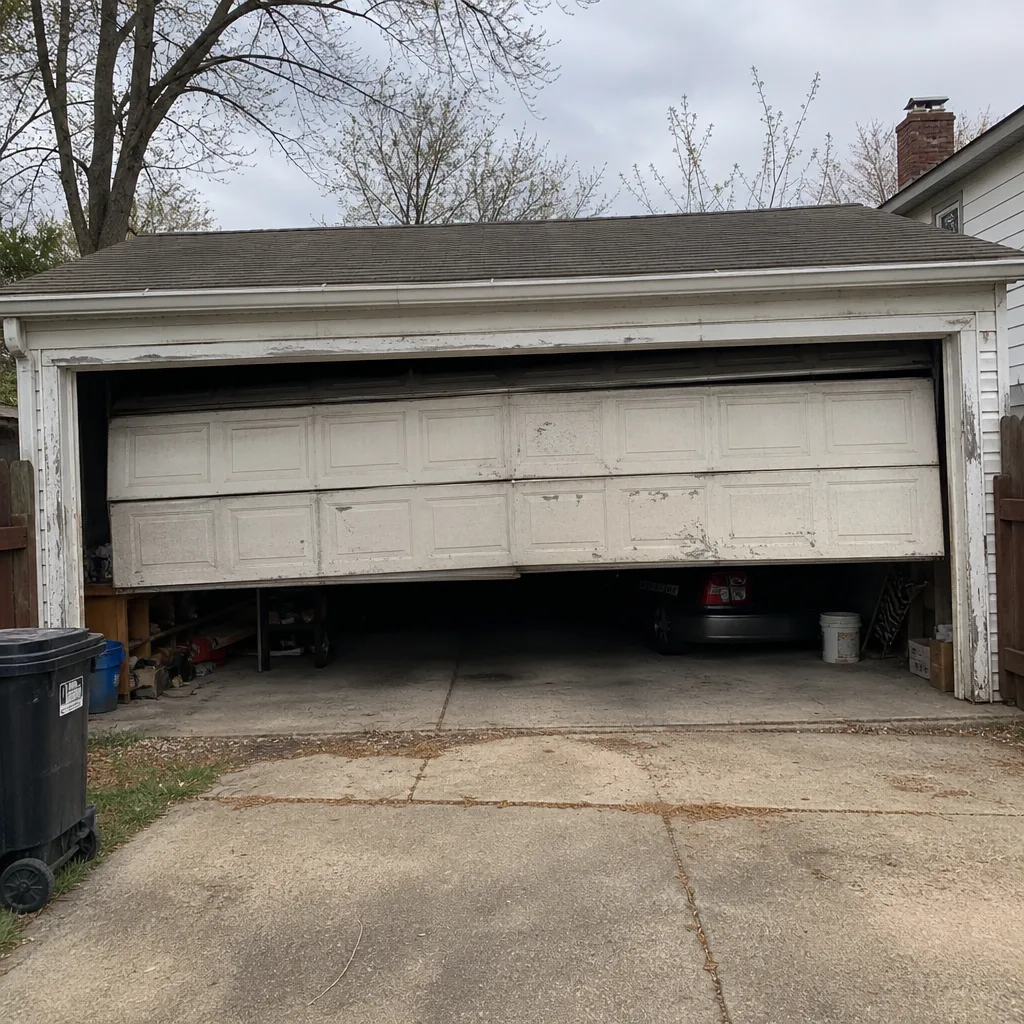 Before
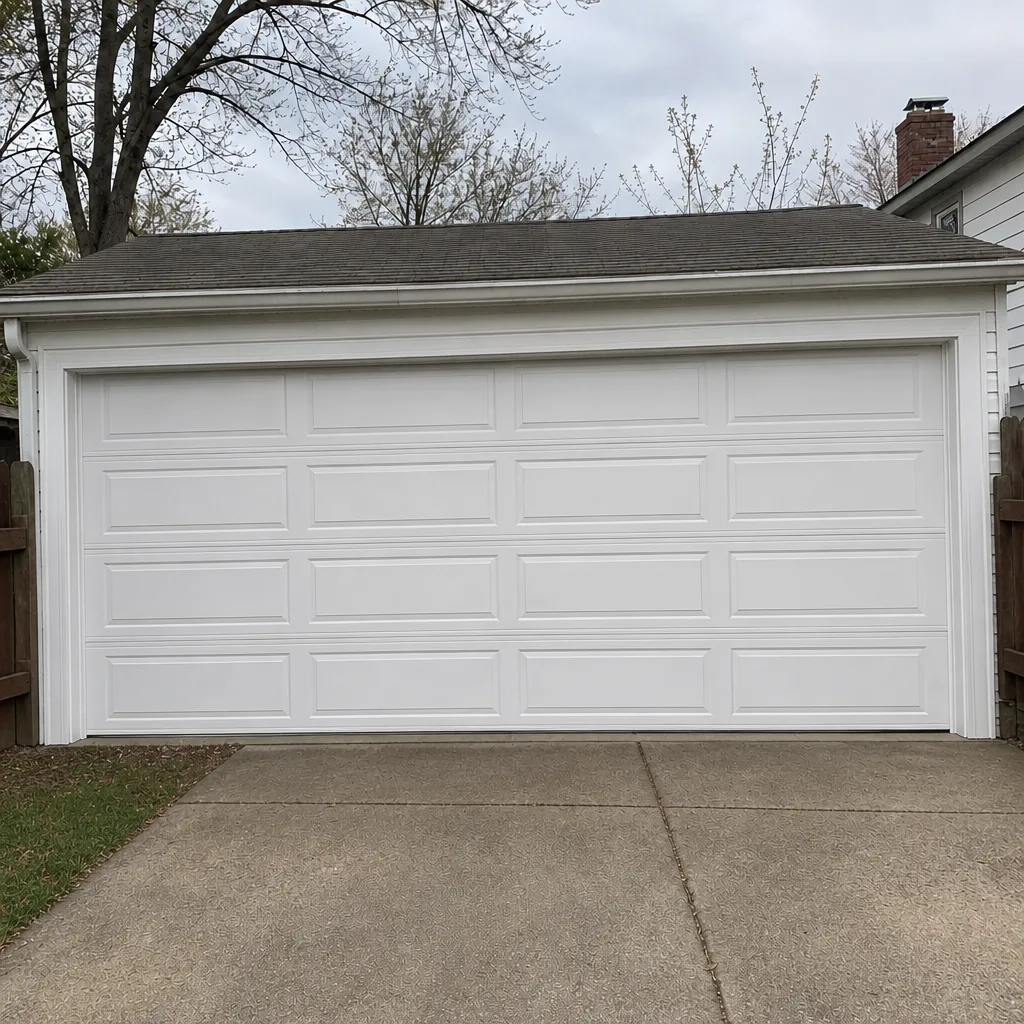 After
When to Call a Professional
A permit question is a good reason to call a professional garage door company, but it’s not the only one. If a spring has snapped and the door won’t lift, if the door has come off its tracks, if a car has backed into the door and bent a section, or if a torsion spring has let go with a bang, stop using the door and call us. Those are safety situations.
Also call if you’re considering a full replacement and you’re not sure whether your garage’s header, opening, or framing will support the door you want, or if you’re not sure whether the door on the property was previously permitted. We can inspect the existing installation, tell you what a compliant replacement involves, and file the permit so it goes through the building department under one job.
Garage Door Repair Old Brooklyn offers free estimates in Old Brooklyn. We work on LiftMaster, Chamberlain, Genie, Clopay, Amarr, Wayne Dalton, Craftsman, and Raynor systems specifically, so we already know the quirks of the door and opener on your garage. Call (888) 965-4156 and we’ll give you a written estimate, including whether the permit is part of the job.
Frequently Asked Questions
Usually yes. A full garage door replacement in Old Brooklyn typically requires a permit through the City of Cleveland’s building department, because a replacement changes the structural load path of the opening. Repairs such as spring replacement or opener repair usually don’t. Call the building department to confirm for your specific address.
No. Repairing a torsion or extension spring, replacing an opener, swapping out rollers, or adjusting cables and tracks doesn’t change the door installation’s structural characteristics, so it doesn’t typically require a permit. It’s maintenance work on an existing system. Call (888) 965-4156 if you need a repair estimate.
That depends on the design wind speed for your site under Ohio Building Code Section R301. The installer should match the door’s published design pressure rating to the requirement for your address. Your contractor should give you the rating in writing before installation. If they can’t tell you what the rating is, ask why.
Usually nothing happens until it does. Unpermitted work can surface during a home sale inspection or an insurance claim, and in those cases you may need to apply for a retroactive permit and bring the installation up to code. Call us at (888) 965-4156 if you suspect the existing installation wasn’t permitted and want an inspection.
The property owner is legally responsible, but a good contractor handles the process for you. If a contractor asks you to pull the permit yourself, ask why. Our team files the application and walks the inspection through so the accountability stays with the people who did the work.
A compliant installation includes header reinforcement where required, proper anchorage, correct wind-load matching, and a tested opener safety reverse system. Most of that work is invisible once the door is installed, which is why documentation matters. Our garage door repair and installation teams test every opener’s safety reverse and confirm it before the job is marked done.
Sometimes yes. Brick garages and homes built in the 1920s through the 1960s often need header reinforcement, additional blocking at the anchor points, or minor opening adjustments to accept a modern door. A proper inspection before the install identifies those items and builds them into the written estimate instead of surprising you later.
The Bottom Line
Garage door permits in Old Brooklyn aren’t complicated, but they do matter more than most homeowners realize. A full replacement usually needs a permit. A repair usually doesn’t. The permit is the contractor’s job to file, not yours. The wind-load rating has to match your site, and the installation has to reinforce the header, anchor the tracks to solid lumber, and test the opener’s safety reverse. Do those things correctly and the process is simple. Skip them and the consequences show up years later, most often at the worst possible moment. When you’re ready for a garage door project in Old Brooklyn, call Garage Door Repair Old Brooklyn at (888) 965-4156 for a free estimate with the permit question answered upfront, and for garage door opener repair that covers both the smart units and the older systems you can’t get anyone else to touch. Our technicians have up to 12 years of experience, and we handle the whole job from repair through full installation so you never need a second company.
Written by the team at Garage Door Repair Old Brooklyn.